AI inference workloads to overtake training spending in 2026 as IaaS demand nearly doubles
Gartner projects worldwide AI-optimized infrastructure spending will reach $42.3 billion next year, with inference workloads accounting for 55% of the total.
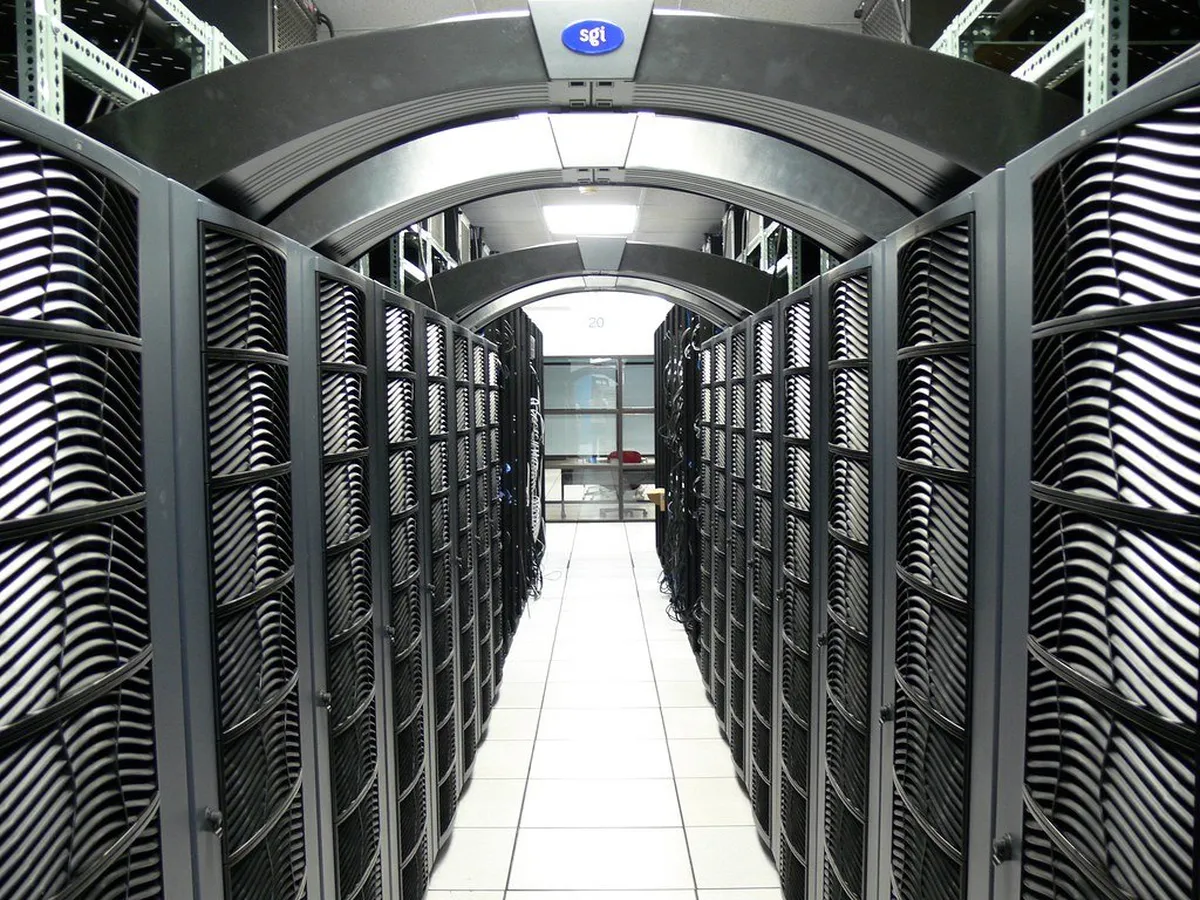
Enterprise spending on Infrastructure as a service optimized for AI workloads is set to nearly double next year. According to Gartner projections published by The New Indian Express, worldwide AI-optimized IaaS spending will grow 96% in 2026 to reach $42.3 billion, up from $21.5 billion in 2025.
The more significant shift is where that money will go. For the first time, inference spending will exceed training spending, with $23.3 billion directed toward inference workloads compared to $19 billion for training. Separate Gartner analysis reported by The Financial Express puts the 2026 total at $42.2 billion and notes that inference will account for 55% of AI-optimized IaaS spending that year, rising to 59% in 2027.
This marks a structural transition in how enterprises deploy AI. Training workloads dominated the early phase of generative AI adoption, when organizations were building large language models and other foundation models from scratch. Inference — the actual running of trained models to generate outputs — now takes priority as companies move from experimentation to operationalization.
The growth drivers reflect this shift. Demand remains strong for LLM training infrastructure, but the larger expansion comes from embedding AI into production applications across enterprises. Every customer-facing chatbot, document summarization tool, and code completion assistant running in real time consumes inference compute. As these applications scale from pilot programs to full deployment, their infrastructure requirements compound.
The spending figures also suggest something about competitive dynamics. Training at scale remains concentrated among organizations with the capital and expertise to build foundation models. Inference infrastructure is more broadly distributed — any company running AI-powered features needs it, regardless of whether they trained the underlying model themselves. The 55-45 split in 2026, tilting further toward inference in 2027, indicates a market maturing past its initial build phase into sustained operational demand.
What this means for cloud providers and hardware vendors is straightforward: the workloads that dominated capital expenditure planning for the past two years are not the workloads that will dominate the next two. The infrastructure built for training — massive clusters of interconnected accelerators running for weeks — differs architecturally from inference at scale, which prioritizes latency, cost per query, and the ability to serve millions of concurrent requests economically. The companies that captured training dollars will need to demonstrate equivalent advantages in this different operational regime.