Construction Begins on B.C.’s $6 Billion North Coast Transmission Line
Construction begins on B.C.’s $6 billion North Coast Transmission Line, a project to double electricity supply to the northwest and power major LNG and mining developments.
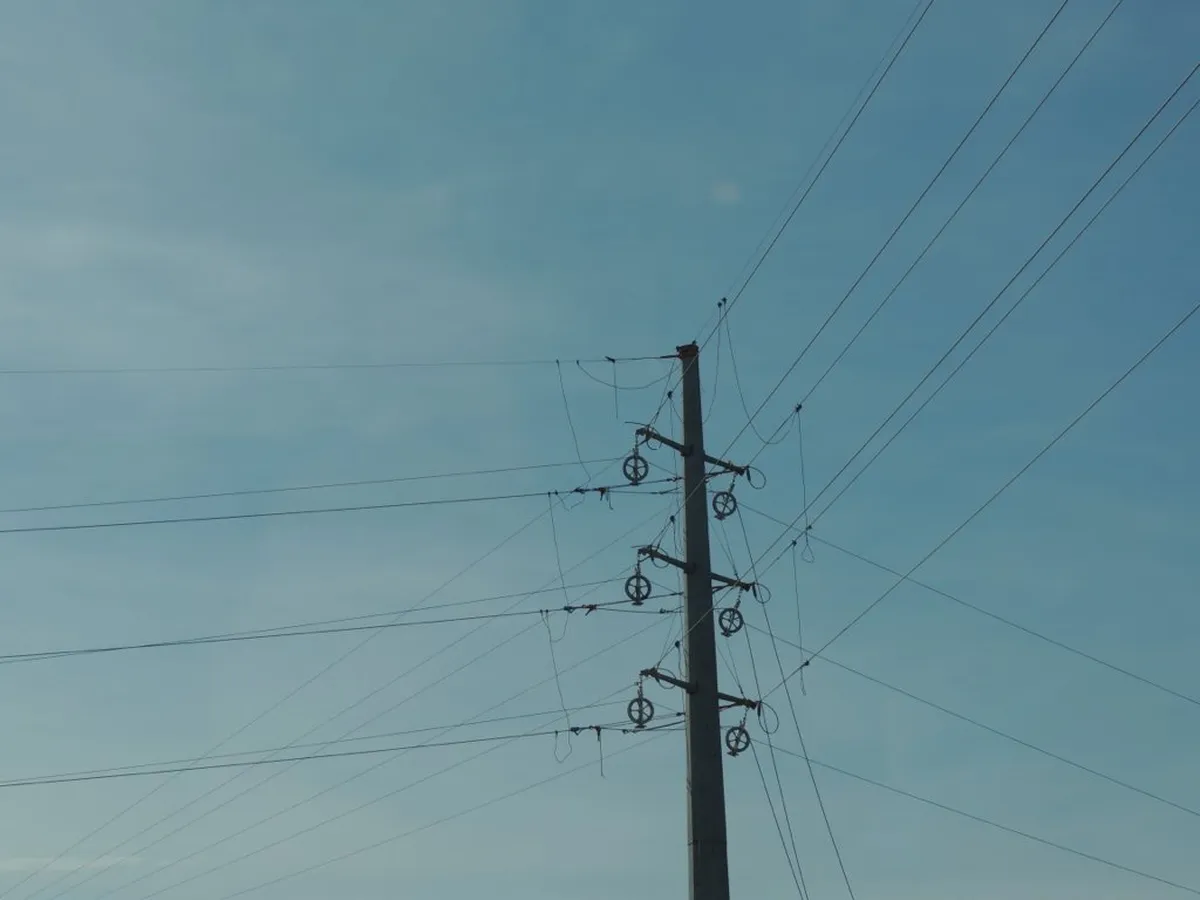

This week, crews broke ground on what B.C. Hydro calls ‘one of the most significant electricity infrastructure investments’ in British Columbia’s history — the $6 billion North Coast Transmission Line expansion, a project designed to more than double electricity supply to the province’s northwest coast. The 1,000-kilometer-plus line of towers and wire, linking Prince George to Terrace, is the largest upgrade to the region’s electric power transmission grid in generations and is specifically aimed at enabling a slate of major industrial projects that have been waiting for the power to proceed.
The scale of the construction effort matches the scale of the demand it’s meant to meet. Construction is underway on the North Coast Transmission Line expansion, a $6 billion project that will link Prince George to Terrace and is expected to create nearly 10,000 direct jobs and contribute nearly $10 billion annually to B.C.’s economy. For a province already facing labor shortages across multiple trades, the job count is a significant figure, but the annual economic contribution figure is the real signal of what the line is for: it’s not just about keeping the lights on in existing towns, but about powering the kind of industrial expansion — liquefied natural gas facilities, new mines, and associated operations — that constitutes a wholesale change in the region’s economic base.
The immediate beneficiaries are the LNG terminals planned for the Kitimat area, which require vast amounts of reliable electricity for liquefaction and export operations. Mines in the Golden Triangle region, long constrained by the existing grid’s capacity, are the other half of the equation. The current transmission system was built for a different era of smaller industrial loads and population centers; this expansion effectively rebuilds it for a purpose-built industrial corridor.
Timing here is everything. The project has been in planning and regulatory stages for years, but the start of physical construction this week marks the point where the theoretical capacity becomes a real construction schedule with real steel going into the ground. B.C. Hydro has framed it as critical infrastructure for the province’s next half-century, and the $6 billion price tag reflects that — it’s an investment in enabling future revenue, not just maintaining current service.
What’s less visible from the ground-breaking ceremonies is the logistical chain now kicking into gear. Nearly 10,000 jobs means mobilizing a small army of skilled workers into remote areas, building access roads through difficult terrain, and fabricating and shipping thousands of tons of steel for towers across a route that runs from the interior plateau to the coastal rainforest. The line will cross multiple traditional Indigenous territories, and the project includes impact benefit agreements with several First Nations — a layer of modern partnership that wasn’t part of the calculus when the original grid was built mid-century.
For now, the story is one of commencement. But the real measure of success won’t be the first tower erected; it will be whether the industrial projects waiting on the other end of the line actually get built once the power is assured. The $10 billion annual economic contribution is a projection, contingent on those mines and LNG plants moving forward. This week’s start of construction is the province betting $6 billion that they will.