M42 Junction 6 North Bridge to be demolished after structural deterioration discovered
The 50-year-old M42 bridge near Birmingham Airport will be torn down in the coming weeks, with National Highways stating demolition is the safest long-term solution.
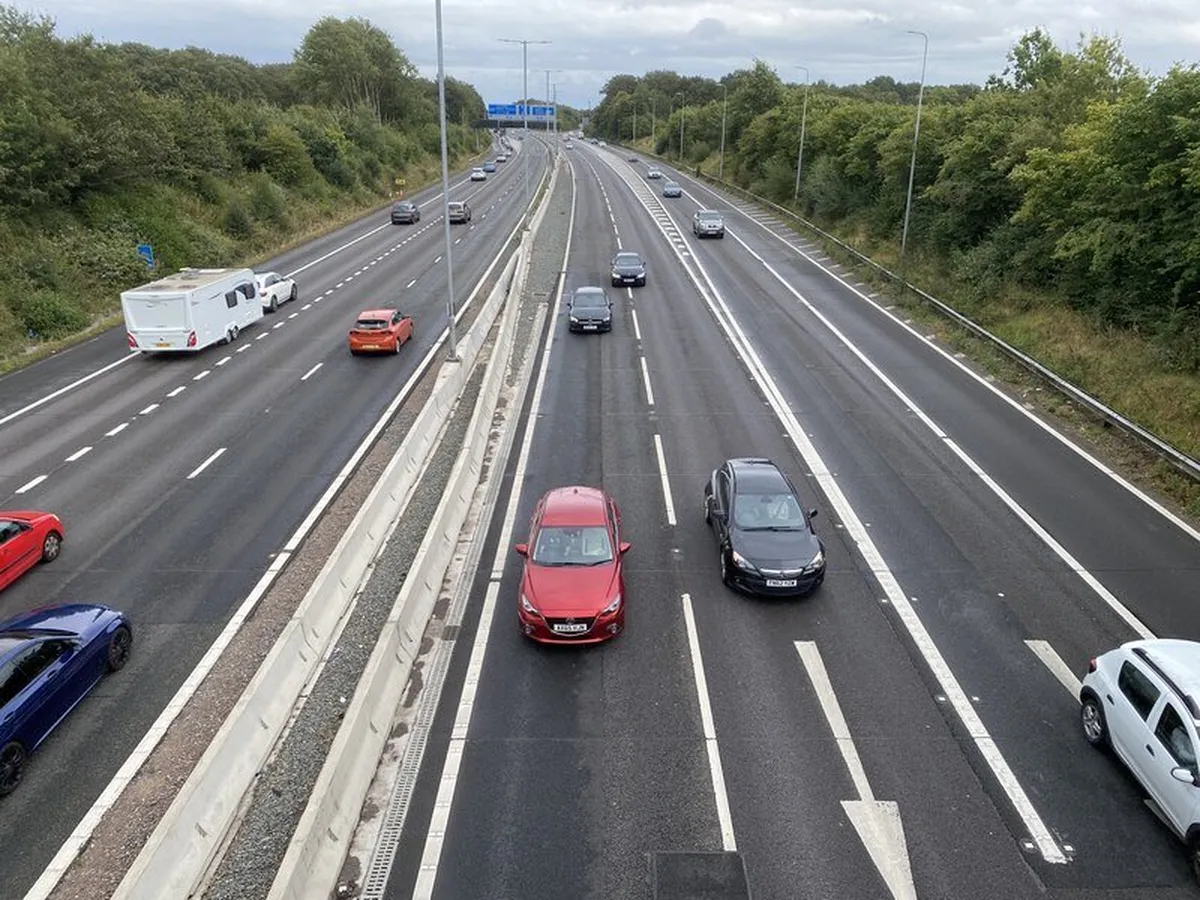

The North Bridge at Junction 6 of the M42 near Birmingham Airport will be demolished in the coming weeks due to concrete and steel deterioration discovered during inspections. The work is scheduled to take place during planned closures for adjacent HS2 construction, a timing coincidence that spares the region the additional disruption a standalone demolition would have caused.
National Highways, the agency responsible for England’s major roads, decided that demolishing the M42 Junction 6 North Bridge is the safest, most sustainable long-term solution after detailed inspections found structural deterioration. The agency concluded that repairing the 50-year-old structure was not viable, framing the demolition as a proactive measure rather than an emergency response. The decision highlights a recurring theme in modern infrastructure management: when routine bridge maintenance uncovers systemic issues beyond repair, replacement often becomes the only reliable option.
The 50-year-old M42 bridge near Birmingham Airport will be demolished and rebuilt after damage discovery, with National Highways publicly stating demolition is the most effective solution. The bridge, also known locally as the Bickenhill Bridge, has carried traffic over the M42 for half a century, connecting key roads around the airport and the National Exhibition Centre.
The immediate consequence for drivers is a set of lane and weight restrictions already in place on the bridge deck. These measures are a stopgap, designed to preserve safety while final preparations for the demolition are made. The restrictions underline the bridge’s compromised state; they are not a permanent fix but a controlled holding pattern until the machinery arrives.
Demolition during the HS2 work window is a pragmatic piece of scheduling. Major road closures are notoriously disruptive, and bundling this necessary demolition with another large-scale project minimises the cumulative impact on a region that relies heavily on the M42 corridor. The alternative—closing the same stretch of motorway twice in a short period for separate projects—would have been a far less efficient use of both public funds and road users’ time.
What happens next is a straightforward, if laborious, process: the old structure comes down, and a new one goes up. There’s no dramatic engineering mystery here, no novel technique being trialled. It is the unglamorous, essential work of replacing a piece of infrastructure that has quietly reached the end of its serviceable life. The story is in the timing and the inspection data that made the call unambiguous.
The broader pattern is one familiar to anyone watching Britain’s post-war infrastructure age. Bridges and roads built in the economic boom periods of the mid-to-late 20th century are now hitting milestones where their original materials and designs face cumulative stress. The decision at Junction 6 is a single data point in that larger trend, a reminder that the built environment has a lifespan, and managing that decline is a core, if often unseen, function of civil engineering.