ER nurse hikes 10 miles down Granite Peak with trekking pole impaled in his side
A Montana nurse chose to walk himself to safety after a fall left his own hiking pole lodged in his abdomen during a climb.
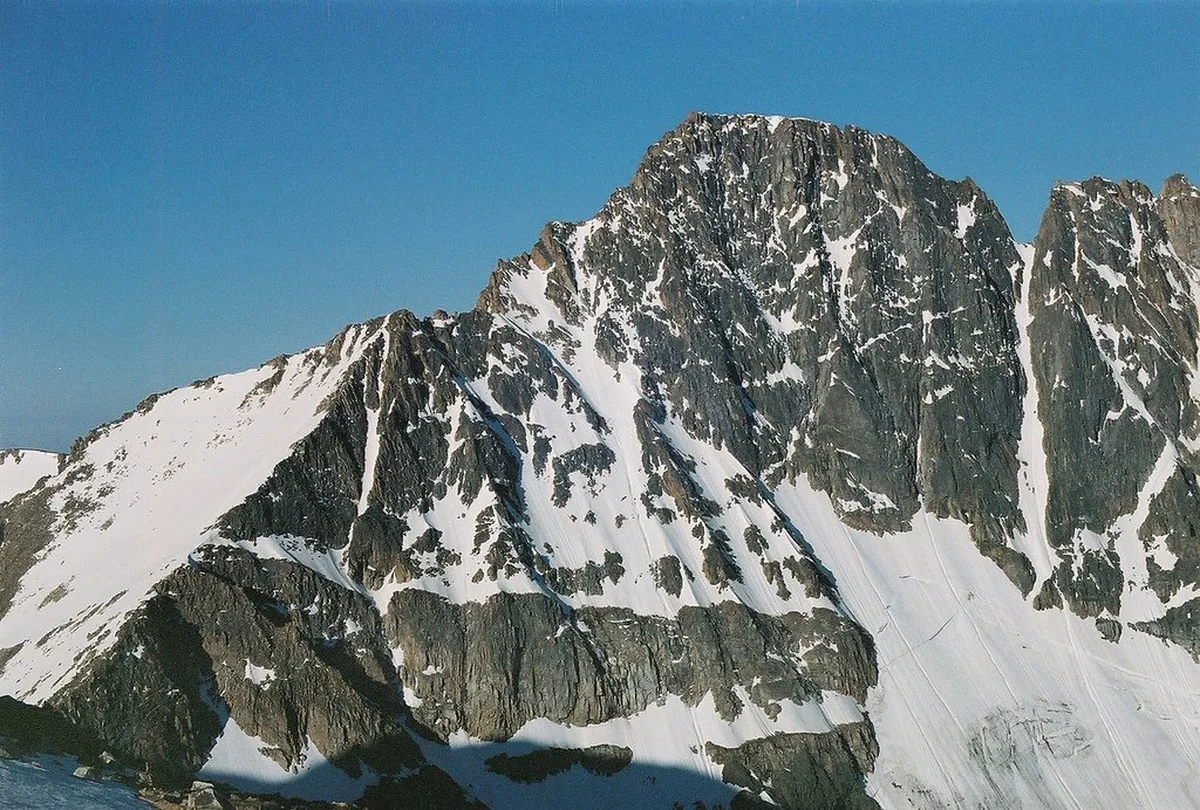

On July 20, 2026, during a hike up Granite Peak in Montana, David Cifaldi slipped and landed directly on the tip of his own trekking pole. The pole impaled his side, passing through his abdominal wall. The 32-year-old ER nurse from Billings chose to hike the 10 miles back down the mountain rather than call for a helicopter rescue.
Remarkably, the pole missed all major organs and arteries, a crucial piece of fortune that made the long descent physically possible. Cifaldi hiked down with the pole still embedded in his side, accompanied by friends he had been climbing with.
The decision to walk out was informed by his medical training and his assessment of the remote location. Helicopter extractions from high-altitude terrain carry their own risks and require significant logistical coordination; as an emergency room professional, Cifaldi judged he was stable enough to move under his own power.
Self-rescue in wilderness situations is a calculated risk, a choice between immediate intervention and the strain of a long, arduous journey. In this case, the risk profile was inverted: the trauma had already happened, and the question was whether moving would worsen it. Cifaldi’s medical knowledge provided the judgment call that the wound, while serious, was not immediately life-threatening.
The incident is a stark reminder that in remote Hiking terrain, the option for a quick, motorized exit is often not available, or arrives with conditions. The ten-mile walk down a mountain with a foreign object lodged in your body is the kind of contingency a formal emergency plan rarely scripts out in detail.
Cifaldi drove himself the final distance to the Billings hospital after reaching the trailhead. Surgeons there removed the pole, and he was reported to be in stable condition following the procedure.
The story fits a particular, almost archetypal pattern of outdoor survival narratives: the expert caught in the accident, whose specialized knowledge then dictates the terms of their own rescue. What’s unusual here is the degree to which those two roles—victim and first responder—were not just sequential but fully merged for the duration of the 10-mile evacuation.