Tara Polar Station Begins Year-Long Arctic Drift Expedition
The Tara Polar Station has successfully locked into Arctic ice for a year-long research expedition, aided by the Chinese icebreaker Xue Long 2.
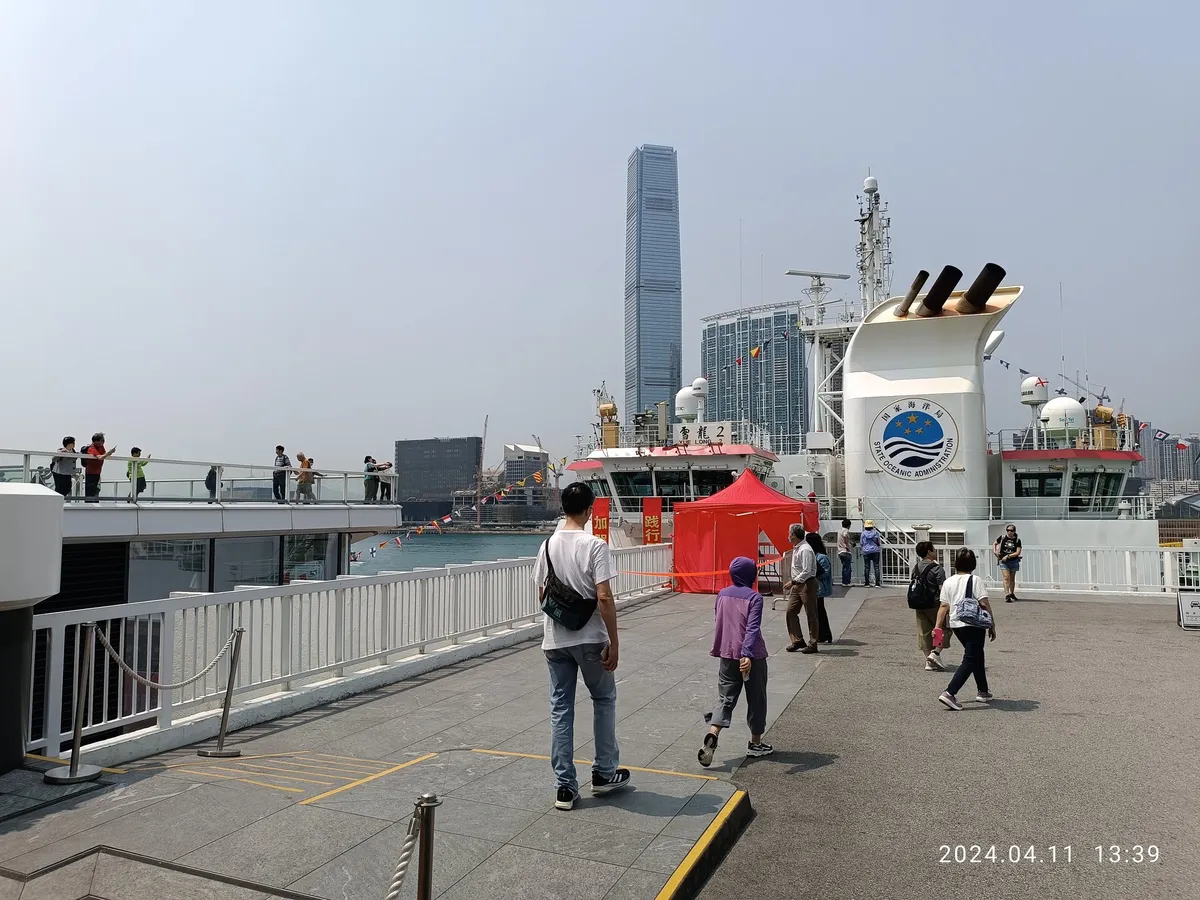

On September 9, 2026, the Tara Polar Station reached its designated drift zone in the central Arctic Ocean, marking the commencement of the Polaris I expedition. Situated at 82°24′ North, 155°03′ East, the station is now frozen into the ice, embarking on a year-long journey of discovery. This expedition is part of a larger, 20-year international research program aimed at studying the Arctic Ocean.
The station’s arrival in this remote region was facilitated by the Chinese research icebreaker Xue Long 2. The icebreaker played a crucial role in guiding the Tara Polar Station through increasingly dense pack ice, ensuring its safe passage to the target location north of the New Siberian Islands. The collaboration between the Tara Polar Station and the Xue Long 2 highlights the international cooperation necessary for conducting scientific research in extreme environments.
At precisely 10:00 on September 9, 2026, the station successfully locked into a large ice floe, a moment that signaled the official start of its unprecedented drift expedition as reported by Environment Coastal & Offshore. This maneuver positions the station to passively drift with the Arctic ice for the next twelve months, offering scientists a unique vantage point to observe and record environmental changes.
The research conducted during this year will focus on various aspects of the Arctic Ocean, contributing vital data to a long-term international study. Researchers from the Alfred Wegener Institute, along with scientists from 12 participating countries, are involved in this extensive project. Their collective efforts aim to deepen our understanding of this critically important and rapidly changing ecosystem.
The successful rendezvous and maneuver into the ice underscore the logistical complexities of Arctic expeditions. The Xue Long 2’s assistance was instrumental in navigating the challenging ice conditions, a testament to its capabilities as an icebreaker and its role in supporting scientific endeavors in polar regions as detailed by Polar Journal.
This year-long drift will allow researchers to collect data on ocean currents, ice dynamics, atmospheric conditions, and marine life without the need for constant repositioning, offering a continuous stream of information. The station’s design and deployment are optimized for such extended, autonomous operations in harsh polar conditions.
The initiation of the Polaris I expedition marks a significant milestone for Arctic research. The insights gained over the coming year are expected to provide crucial information on the state of the Arctic environment and its role in global climate systems.