North Korea fires ballistic missile toward Sea of Japan in 11th launch of 2026
North Korea fired a ballistic missile toward the Sea of Japan on August 12, 2026, its 11th launch this year and a likely protest of upcoming U.S.-South Korea military drills.
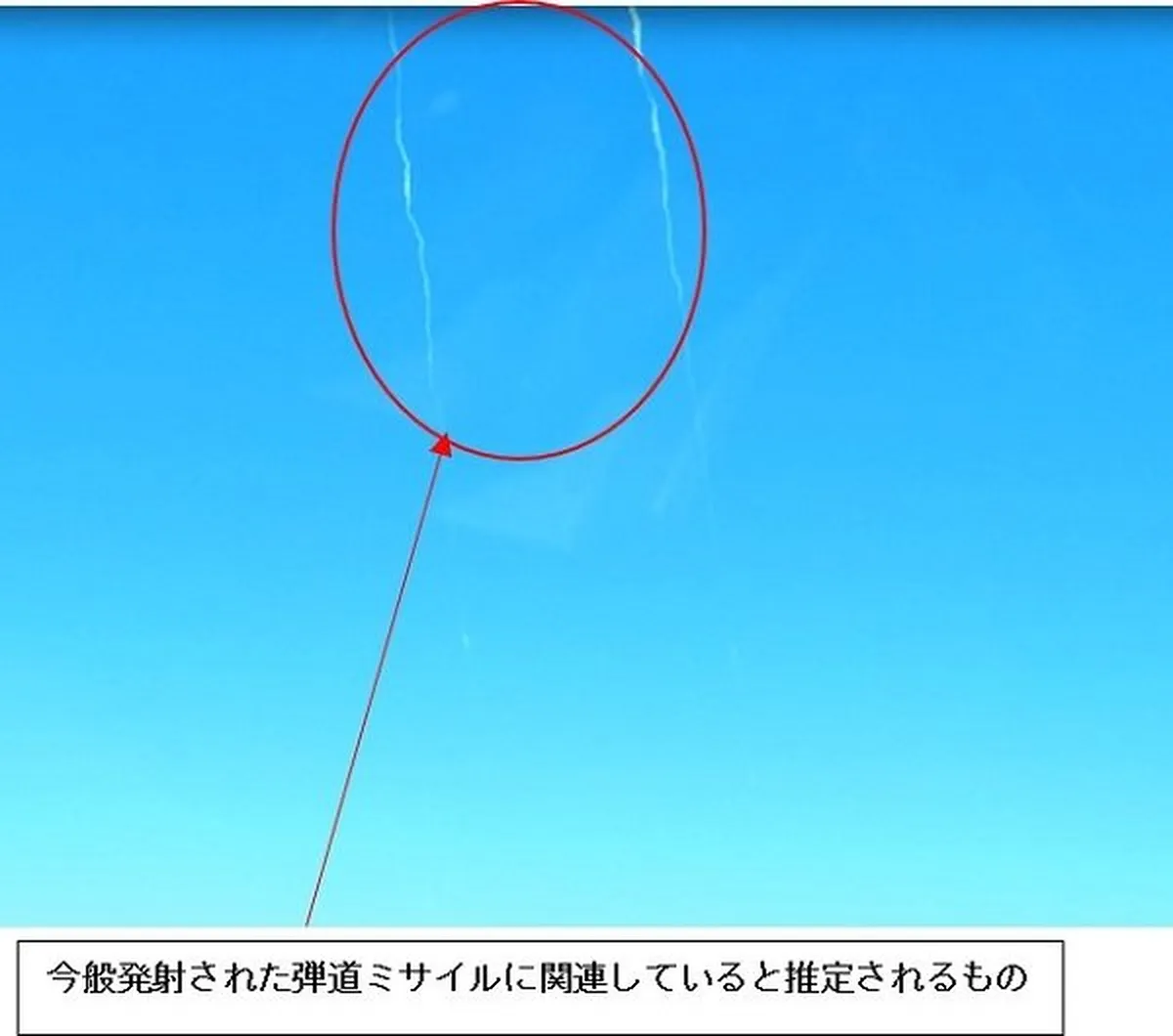

On the morning of August 12, 2026, North Korea fired a ballistic missile eastward, a launch detected by South Korea’s military from the Wonsan area of the country’s eastern coast around 6 a.m. The missile is believed to have fallen outside Japan’s exclusive economic zone, traveling approximately 690 kilometers with a maximum altitude of about 90 km before coming down in the Sea of Japan.
This marks the 11th such launch by Pyongyang this year, coming less than a week after a previous test performed its second ballistic missile test in less than a week. While the specific flight path and technical data were reported by Japanese and South Korean officials, the timing suggests a deliberate response to regional security developments.
Neighboring governments and analysts view the launch as a likely protest of the upcoming South Korea-U.S. military drills a likely protest of the upcoming South Korea-U.S. military drills. These joint exercises have historically been a point of contention, with the North framing them as rehearsals for invasion while the allies maintain they are defensive in nature.
The launch from the Wonsan area follows a familiar pattern of using the country’s eastern coastline to test weapons without directly overflying Japanese territory, though the trajectory still triggers alerts across the region. The launch at around 5:59 a.m. from an area near North Korea’s eastern coast was tracked in real-time by regional monitoring systems.
For Tokyo and Seoul, the concern remains the rapid pace of these tests rather than just the individual specifications of a single missile. By maintaining a schedule of frequent launches, North Korea continues to refine its capabilities while signaling its displeasure with the geopolitical status quo, ensuring that the peninsula remains a focal point of international security discussions as the summer military drills approach.