Global multidimensional poverty rises for first time since 2010
The 2026 Multidimensional Poverty Index shows the first global rise in multidimensional poverty since 2010, reaching 1.2 billion people with children and rural areas bearing the brunt.
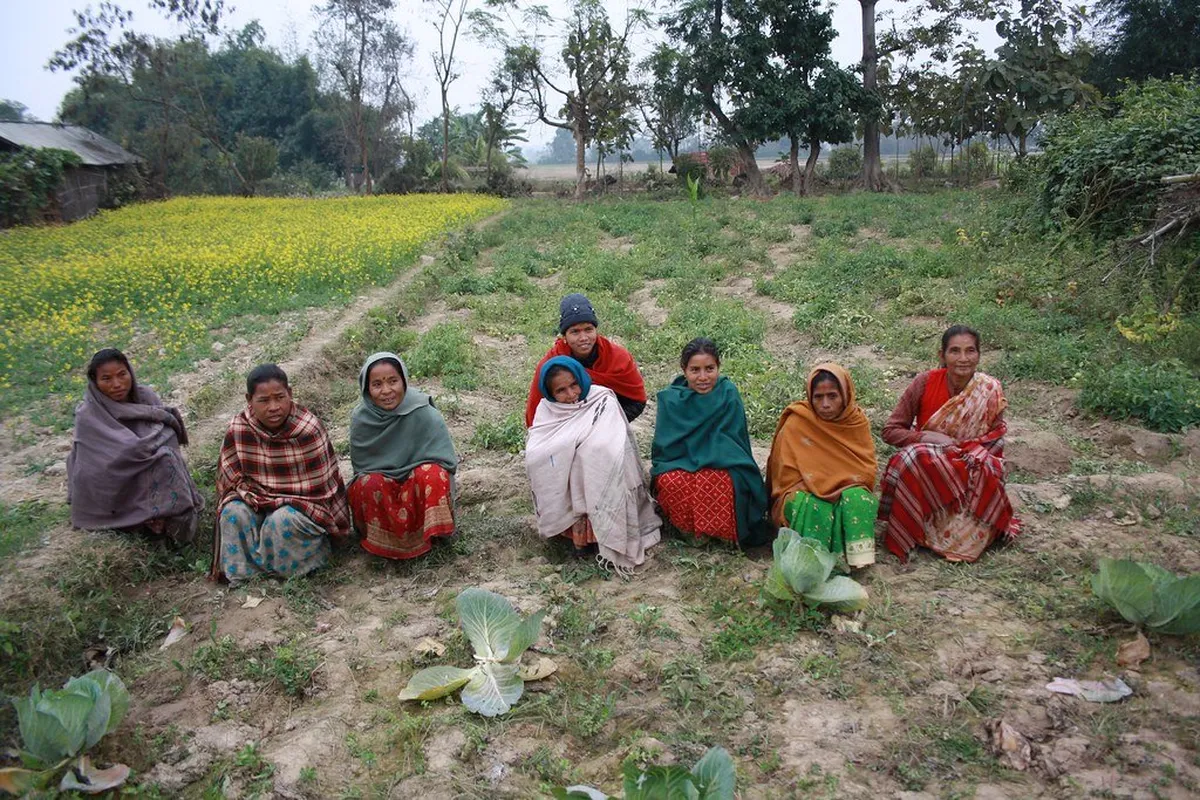
On 12 October 2026, the global Multidimensional Poverty Index update published by UNDP and Oxford University reported the first rise in multidimensional poverty since the index launched in 2010, with the count reaching 1.2 billion — 51.5 million more than the 2025 figure, with 617 million of those in poverty children and 83% living in rural areas, a result UNDP Administrator Alexander De Croo called “a wake-up call for the world”.
Capital FM Kenya independently reported the 2026 release, confirming the 1.2 billion total and the first rise since 2010, while adding that 95 countries with no fresh survey data saw population-revision-driven increases of 15.8 million, and that Nigeria illustrates a reversal of earlier progress.
The alignment between the two newsrooms leaves the headline trend unambiguous: after fifteen years, the count of people classified as multidimensionally poor has turned upward. The 51.5 million net addition sits atop a base where 617 million are children and 83% reside in rural areas, figures from the UNDP-Oxford release.
De Croo’s “wake-up call” language accompanies a statistic that breaks the index’s founding trajectory. The prior 2025 update stood as the baseline against which the increase was measured, making the 2026 edition the first to show a reversal since the series began.
Children account for 617 million of the 1.2 billion total, a share that places the rise in multidimensional poverty disproportionately on younger populations. Rural areas hold 83% of the affected population, underscoring that the index’s first increase is fundamentally a countryside phenomenon.
The population-revision-driven increases flagged by the Kenyan outlet add a further wrinkle: 95 countries with no fresh survey data still contributed 15.8 million to the global count through demographic adjustments. That mechanism shows the headline number is not solely the product of new fieldwork catching previously unseen hardship.
Nigeria’s illustration of a reversal of earlier progress, also from that reporting, shows the global rise encompasses places that had been moving the right way. The 2026 MPI update therefore stands as a distinct milestone — the first time in its history that the index has recorded more multidimensionally poor people than the year before.