Vesper bats have two separate antibody gene systems, a mammalian immune arrangement without precedent
Scientists have discovered that more than 500 species of vesper bats possess two distinct sets of genes for antibody production, an arrangement not previously found in any other mammal.
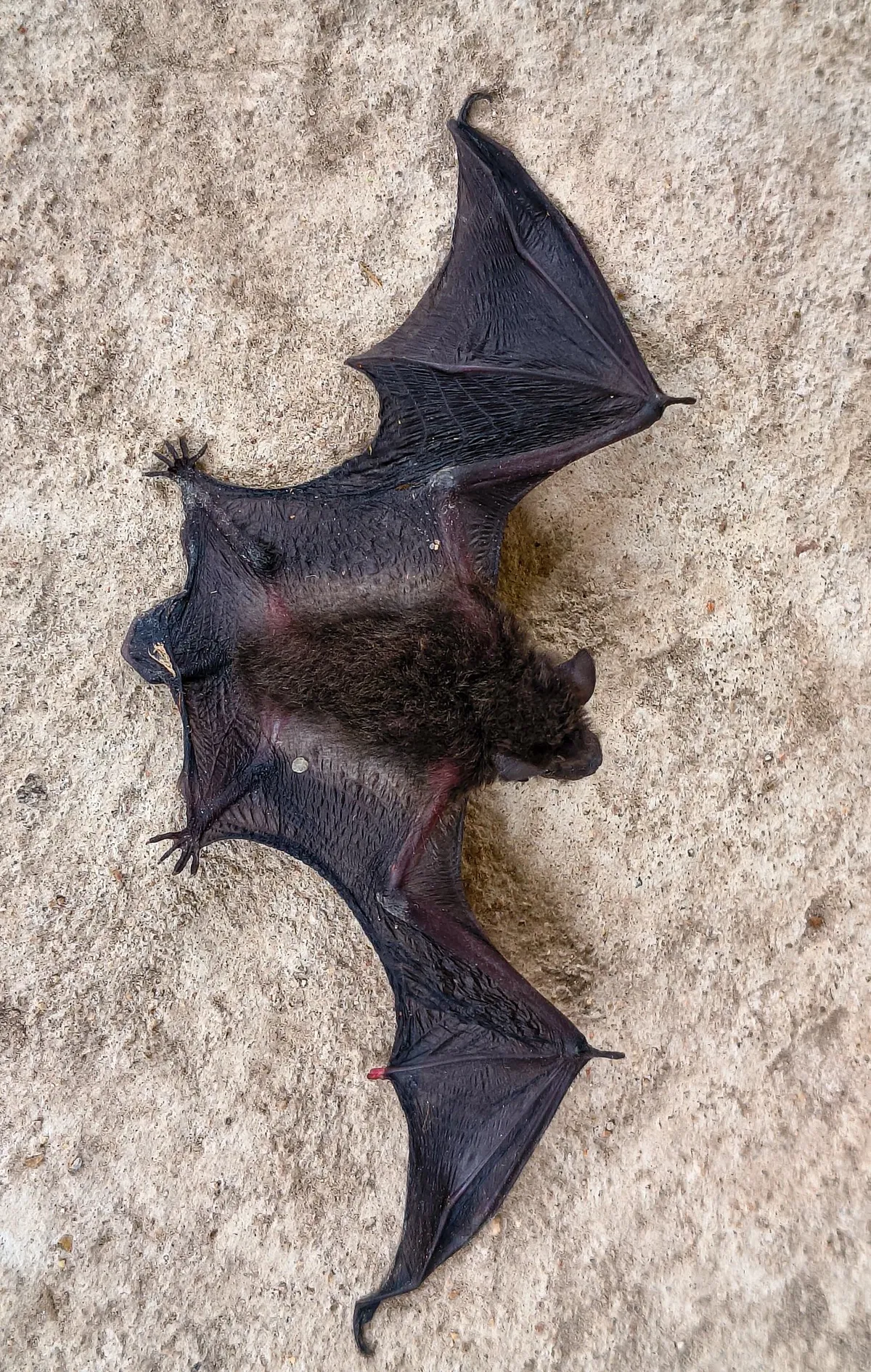

Bats have long been known reservoirs for viruses dangerous to other species, from Ebola to coronaviruses, without succumbing to the diseases themselves. Now, research points to a possible genetic foundation for that resilience. A team from Tulane University, Stanford University, and the CDC has discovered that more than 500 species of vesper bats possess two separate sets of antibody genes, an immune arrangement never before found in mammals. The work, published in Science Advances on September 3, 2026, uncovers a second genetic system for antibody production hidden within their genomes.
An antibody is a protein produced by the immune system to identify and neutralize pathogens. Typically, mammals possess a single genetic toolkit for creating these proteins. The finding that vesper bats, one of the largest bat families, operate with a dual set of genes for this purpose is unprecedented. Researchers found vesper bats possess two distinct sets of genes for antibody production, an arrangement not previously documented in any other mammal, according to reporting on the study published September 6, 2026.
The implications go beyond cataloging a biological oddity. This duplicated genetic architecture likely allows bats to generate a more diverse repertoire of antibodies, enabling their immune systems to recognize and respond to a wider array of viral threats without triggering the damaging inflammation that often proves fatal in other animals. The ability to host viruses without getting sick—a phenomenon observed for decades—may be partially explained by this expanded defensive toolkit.
The discovery emerged from large-scale genomic sequencing, revealing the duplicated immunoglobulin gene loci that had previously gone unnoticed. While other animals may have gene duplications within their immune systems, the presence of two entirely separate and functional sets for antibody generation appears to be a unique evolutionary innovation within this lineage of bats.
Scientists have speculated that bats’ unique traits—flight, longevity, and viral tolerance—might be interconnected, with high metabolic demands from flight potentially selecting for enhanced DNA repair and dampened inflammatory responses. This discovery of a dual antibody gene system adds a concrete, genetic piece to that puzzle. It represents a fundamentally different immunological strategy than that seen in other mammals.
The research opens new avenues for understanding immune system evolution and resilience. If the mechanics of this dual system can be understood in detail, it could inform approaches to managing viral infections or modulating immune responses in humans. For now, it stands as a clear example of how much remains to be learned from the natural world’s outliers, and how their survival strategies are often written in a genetic code far more complex than our own.