A human brain gene that never stopped jumping
Cornell researchers found BC200, a human gene with an essential role in neurons that still carries its ancient ability to move through DNA, embedded inside a poxvirus that infected human skin.
Cornell researchers found BC200, a human gene with an essential role in neurons that still carries its ancient ability to move through DNA, embedded inside a poxvirus that infected human skin.
Pope Leo XIV has been diagnosed with lung adenocarcinoma following successful surgery at Rome's Gemelli Hospital to remove the lower lobe of his right lung.
Research by physicist Kostya Trachenko indicates that fundamental physical constants must fall within a narrow band for liquids to flow with viscosities suitable for cellular biology.
Researchers testing a new DNA sequencing technique found a protist that encodes the stop codons TAA and TAG as two different amino acids — the first known case of such a split.
The 2026 Nobel Prize in Physiology or Medicine goes to Karl Deisseroth, Peter Hegemann, and Georg Nagel for their work developing optogenetics, a light-based method that gives researchers precise control over individual nerve cells in living brains.
Ocean Exploration Trust and partners have launched the final 2026 voyage of E/V Nautilus, mapping and diving on unmapped seamounts at the eastern edge of Papahānaumokuākea Marine National Monument with a ten-person Hawaiian science team aboard.
A century-old fossil from the same Egyptian limestone that built the Great Sphinx has been reclassified as a new crocodile species after micro-CT scanning revealed features the original classification missed.

The Ocean Exploration Trust's research vessel has embarked on a 20-day mission to map never-before-seen ridges and seamounts in the Papahānaumokuākea National Marine Sanctuary.
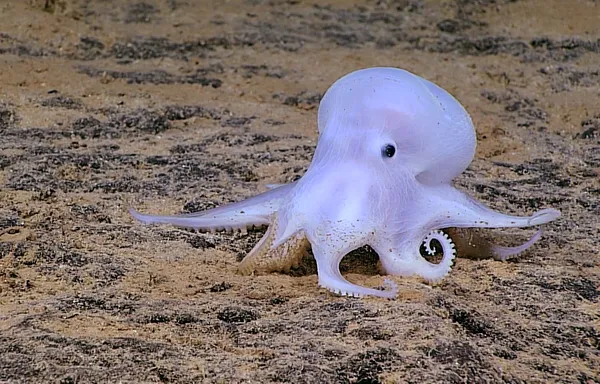
The Ocean Exploration Trust’s E/V Nautilus has begun a 20-day expedition to map previously unmapped deep-sea habitats around Hawaiʻi and within Papahānaumokuākea National Marine Sanctuary.
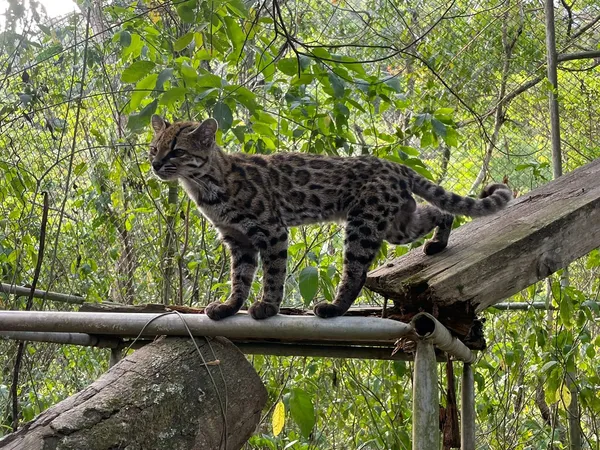
A spotted cat from Bolivia's Yungas cloud forest has been confirmed as the first new living wild cat species formally described in over a century.
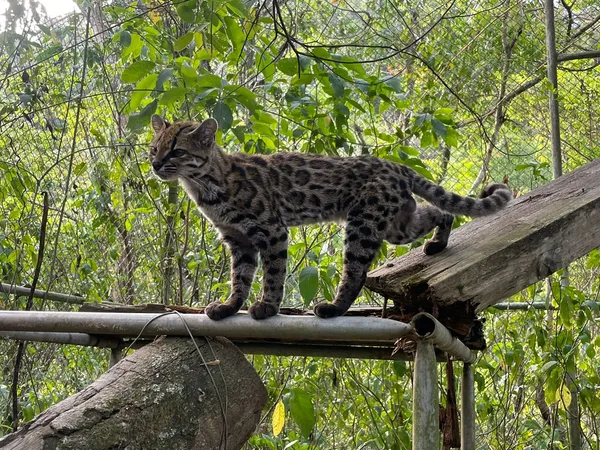
The Leopardus tilcayo, or tilcayo tiger cat, is a small, spotted feline native to Bolivia's cloud forests, formally described in Current Biology, making it the first new living wild cat species identified since 1923.
A local FedEx office intercepted 191 turtles and tortoises bound for China, prompting a U.S. Fish and Wildlife Service investigation and the animals' transfer to the Dallas Zoo.
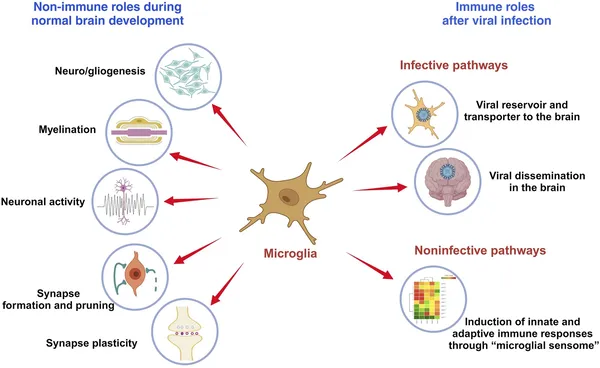
A major shift in brain immunology challenges the long-held assumption that microglia persist unchanged for life.
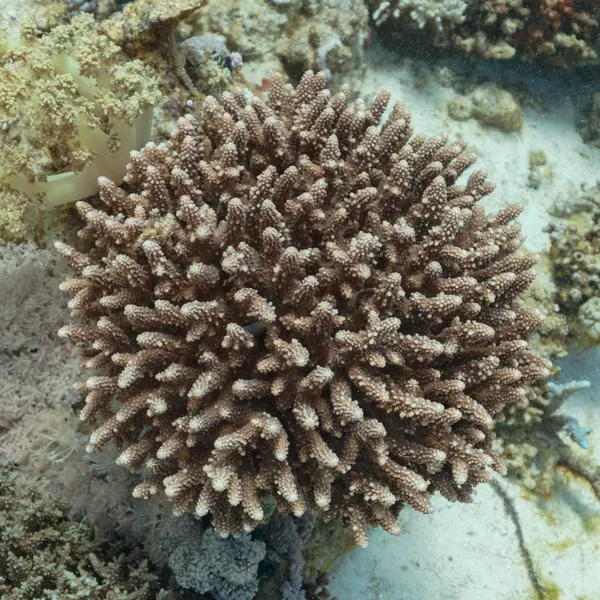
Scientists have rediscovered a thriving coral reef ecosystem off the coast of Benin, West Africa, previously believed to have been dead for over 60 years.
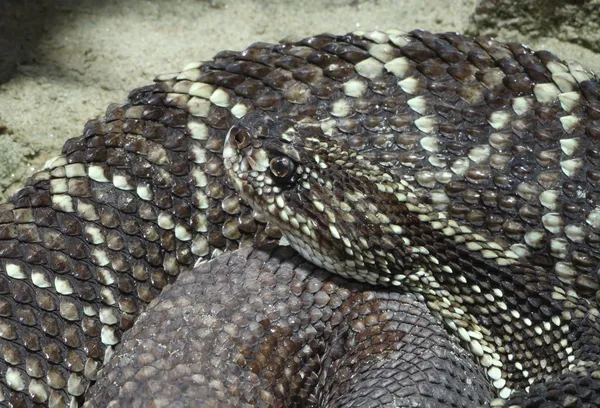
A protein mixture derived from snake blood has shown dramatically higher potency than sheep-derived antivenoms in laboratory tests.
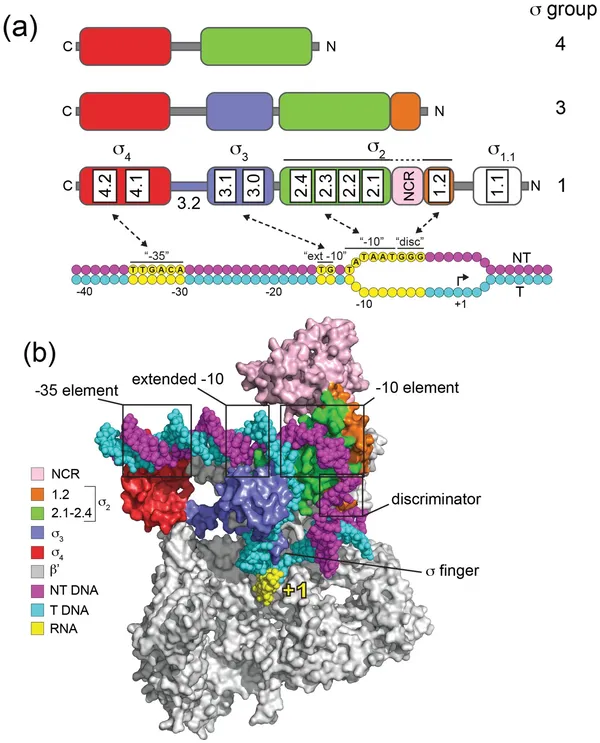
A UC San Diego study shows that E. coli RNA polymerase faithfully transcribes an eight-letter genetic alphabet, with cryo-EM structures revealing the enzyme handles synthetic base pairs through the same mechanisms it uses for natural ones.
A decade-long collaboration between the MRC Laboratory of Molecular Biology, Google Research, and HHMI Janelia has produced the first complete wiring map of an adult male animal's central nervous system — 166,700 neurons and roughly 124–125 million synapses in a fruit fly.

Researchers at the universities of York and Sheffield have directly observed the ion-mediated mechanism that allows two negatively charged DNA double helices to pair.

An ROV survey at a Greenland glacier's ocean terminus has revealed a dense, thriving ecosystem of krill, fish, crustaceans, and other organisms — overturning the long-held assumption that glacier boundaries are too hostile to support life.

A July 2026 survey led by Trinidad and Tobago's own scientists aboard a Schmidt Ocean Institute vessel mapped 13% of the nation's uncharted seafloor and identified two dozen sites of significant biological activity.
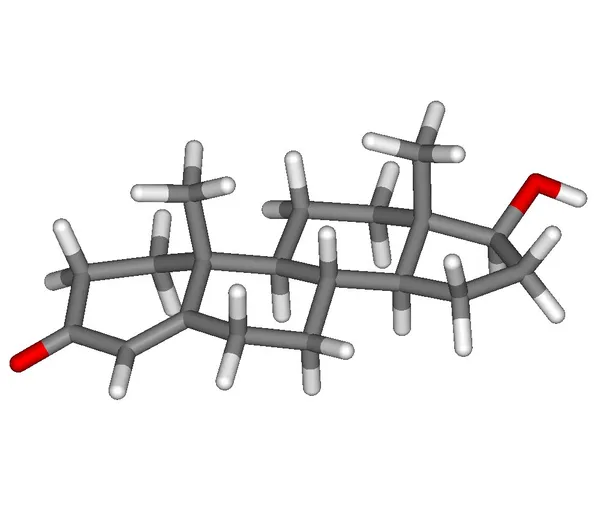
Actinobaculum massiliense, a bacterium found in human urine, carries a newly characterized enzyme pair that can convert the steroid precursor DHEA into the potent androgen testosterone—a finding that has captured the attention of cancer biologists.
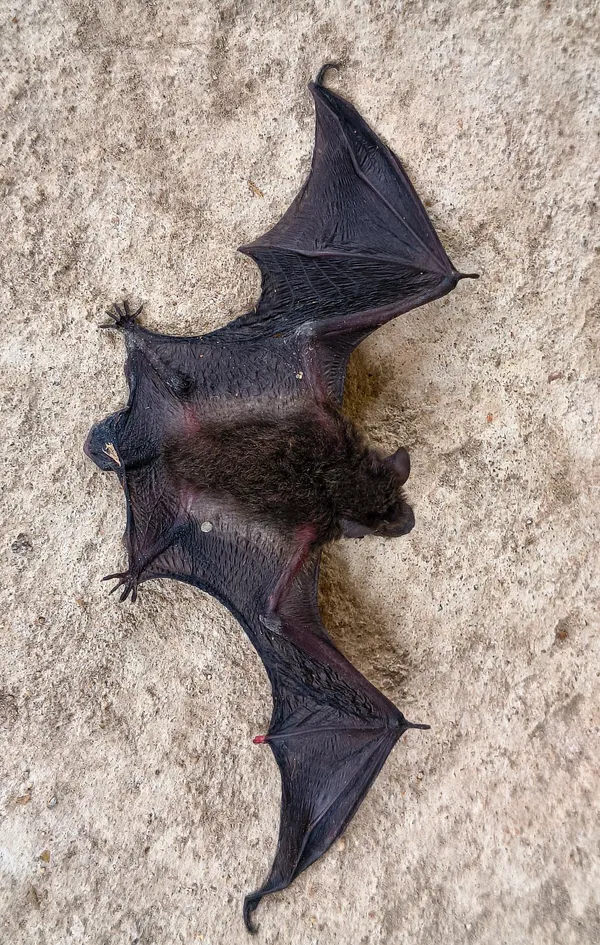
Scientists have discovered that more than 500 species of vesper bats possess two distinct sets of genes for antibody production, an arrangement not previously found in any other mammal.
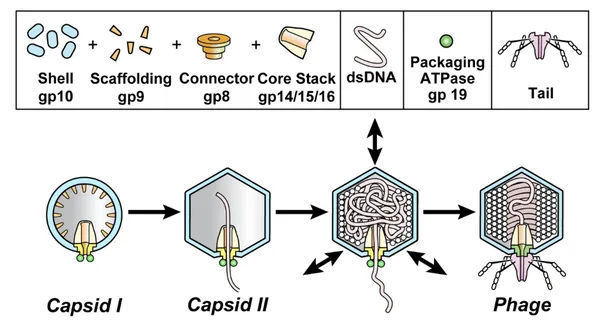
EMBL Heidelberg researchers report in Nature that T7 phage deploys a single kinase to phosphorylate almost every bacterial protein within minutes — a 'loose cannon' strategy that disarms host immune defenses.
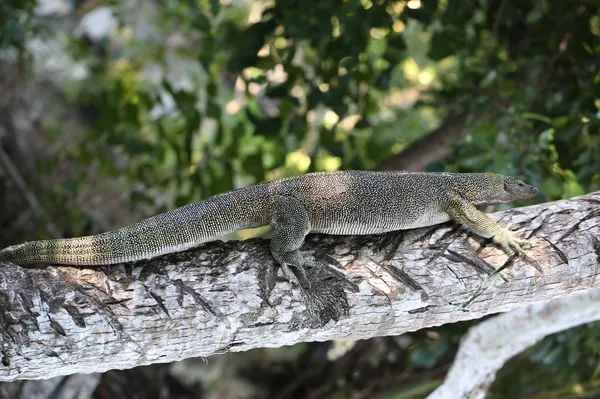
Animal-control officers safely captured a four-foot-plus mangrove monitor after it entered a vehicle’s wheel well in Burlington, Massachusetts.
A July 2026 expedition aboard R/V Falkor (too), led by Trinbagonian scientists, completed the first locally run comprehensive deep-sea survey of Trinidad and Tobago, mapping 13% of uncharted seafloor and finding 25 cold seeps with dozens of potentially new species.
A young raccoon nicknamed Mayonesa spent days wandering Dallas with a mayonnaise jar over her head before being rescued by Dallas Animal Services and rehabilitated by Texas Metro Wildlife.
NOAA’s Okeanos Explorer completed a 26-day deep-sea expedition in Cook Islands waters in August 2026, recovering 23 potential new species and confirming extensive polymetallic nodule fields.
Stanford researchers have overturned decades of neuroscience dogma by finding that large numbers of blood-borne immune cells enter the aging brain and transform into microglia, replacing earlier estimates of limited turnover.
An international research team published findings in Science Advances suggesting life on Earth may have emerged from two independent transitions to free-living cells around four billion years ago.
An 11-year conservation initiative in Switzerland has achieved a major milestone with the first successful nesting and hatching of three osprey chicks in the country since 1914.
The French research vessel Tara Polar Station departed Lorient on July 19, 2026, for an 18-month drift expedition across the Central Arctic Ocean locked in sea ice.
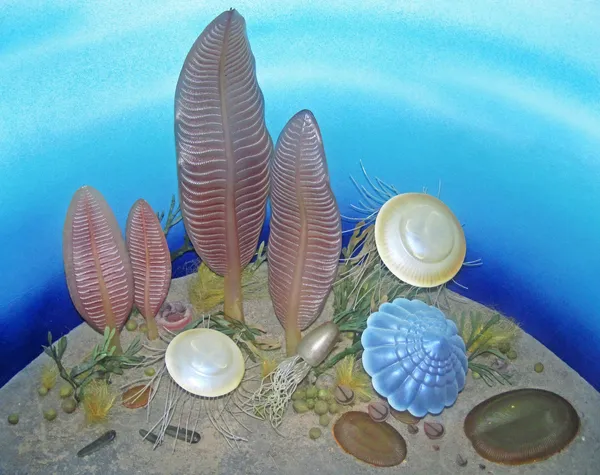
A team from AMNH and Dartmouth has uncovered a 567-million-year-old Ediacaran assemblage in the Mackenzie Mountains, pushing back the dawn of complex animal life by 5–10 million years and suggesting it began in deep offshore waters.
Swiss dairy herds finally face a confirmed diagnosis after a midge-borne virus caused fever and sharp milk drops across the region last summer.
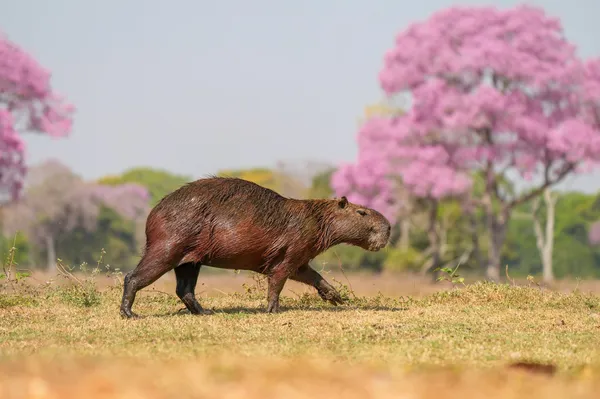
Two capybara wandered into Brazil's Mato Grosso state legislature on July 30, just as deputies were preparing for a vote.
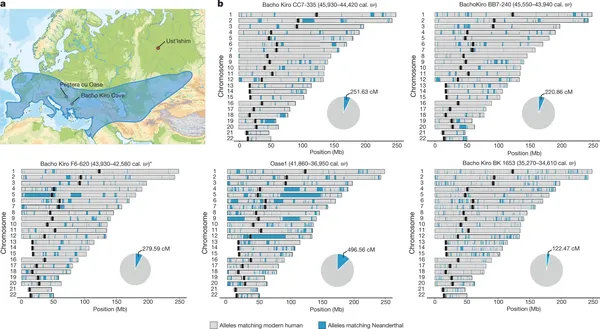
A study finds that ancient DNA variants in the growth hormone receptor gene make carriers taller and more muscular, with the Neanderthal-derived version most common in South and East Asian populations.
A University of Maryland team led by Sean B. Carroll reports that a cocktail of proteins drawn from snake blood itself was about 10 times more potent than the current sheep-derived antivenom in lab tests, and neutralized venoms from multiple viper species at once.
A new extinct Ice Age spadefoot toad, *Spea labreae*, has been described from bones stored at the La Brea Tar Pits since 1929 — only the second extinct Pleistocene amphibian ever found in North America.
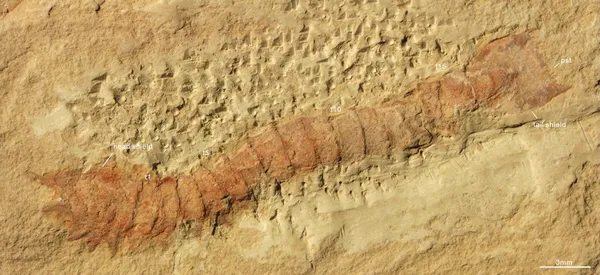
X-ray tomography of a tiny Cambrian marine animal from China uncovered pincer-like limbs and book gills, tracing the origins of spider fangs and scorpion pincers back half a billion years.
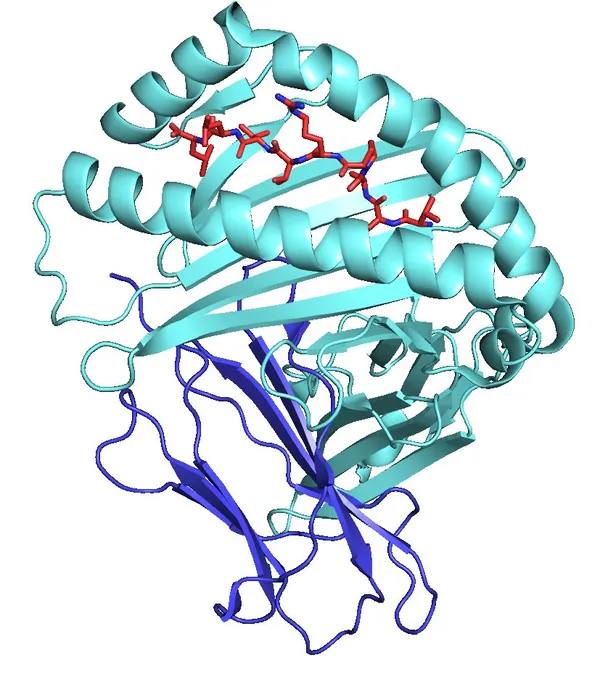
Arginine levels determine whether tumor cells display the surface markers the immune system needs to recognize them.
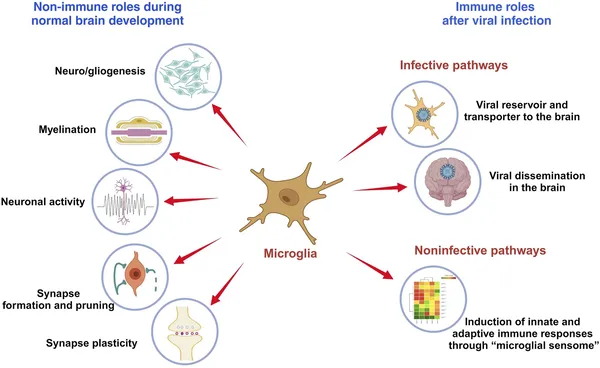
For decades, neuroscience has operated on the premise that the human brain is seeded with its resident immune cells at birth, which then persist unchanged throughout the rest of a person's life.
University at Buffalo researchers used long-read DNA sequencing to uncover over 19,000 structural variants in brown tree snakes, many in genes for immunity and smell, explaining how the invasive species thrived on Guam despite a severe genetic bottleneck.
Cold Spring Harbor Laboratory and Scripps Research have revived vancomycin's activity against vancomycin-resistant Enterococcus faecium by blocking the bacterial enzyme SagA with a small molecule inhibitor called pghi-4, stripping resistant bacteria of their defense and restoring the old antibiotic's effectiveness against strains linked to MRSA and C. difficile.
Scientists discovered that deep-sea pressure squeezes carbon and nitrogen from sinking organic particles, providing an unexpected food source for microbes and potentially rewriting how the ocean's carbon cycle works.
A study of 116 chimpanzees and bonobos found that physical affection before feeding conflicts led to more peaceful sharing, suggesting the evolutionary roots of human social touch stretch back at least six million years.
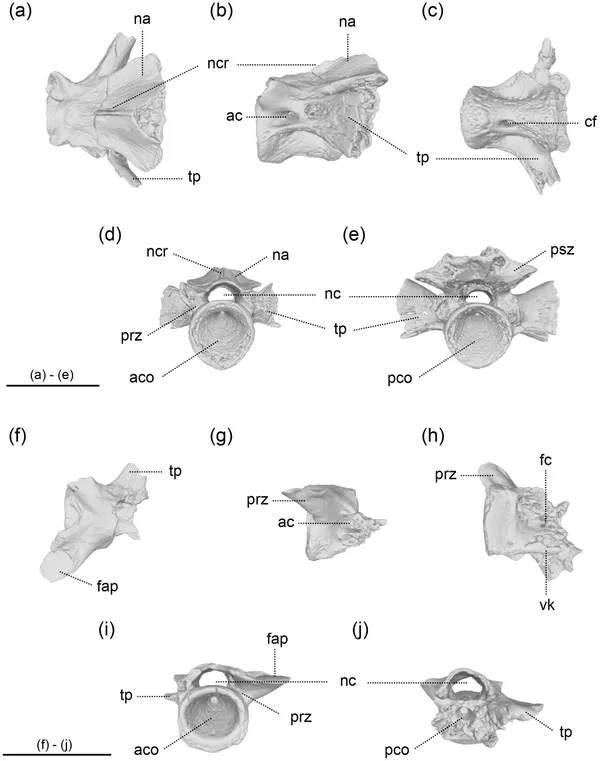
Fossil vertebrae found in Japan more than two decades ago have been identified as a new genus and species of giant salamander that lived 3.5 million years ago.
Scientists have filmed DNA unzipping at atomic resolution, revealing helicase uses ATP as an 'entropy switch'—a universal mechanism with direct implications for designing antiviral and anticancer drugs.
Researchers at the University of Minnesota have created the world's first synthetic cell built entirely from non-living chemicals, capable of feeding, growing, replicating its genome, and dividing into two new cells.