AECOM appointed to study Bakerloo Line depot and sidings needs for 1972 train replacement
Transport for London taps AECOM with Arcadis support to assess infrastructure requirements for upgrading the Bakerloo Line's half-century-old rolling stock.
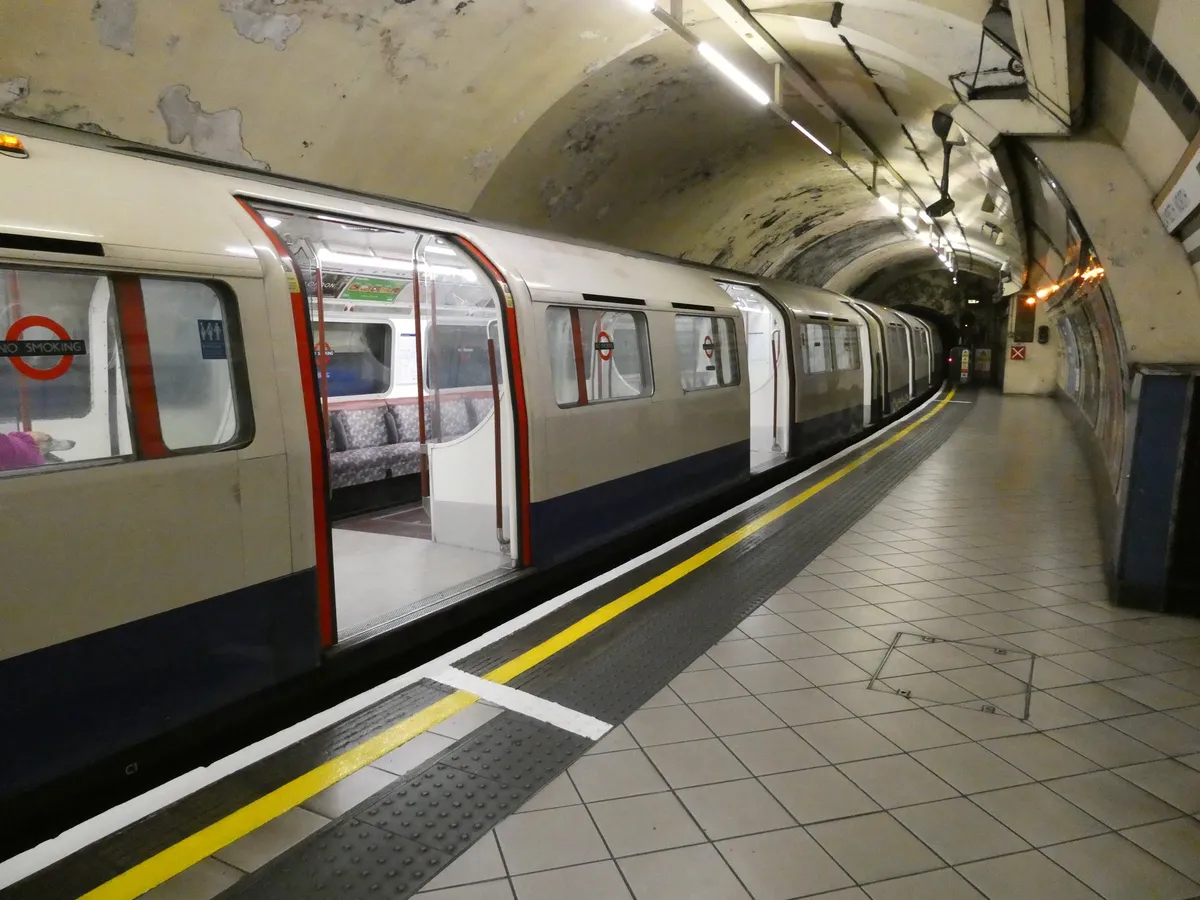

The trains running on London’s Bakerloo line have been in service since 1972, making them more than 50 years old — the oldest passenger trains still operating on the Underground. Replacing them is now far enough along that Transport for London has moved from aspiration to the first concrete planning steps, appointing AECOM to deliver a feasibility study for the depots and sidings the upgrade will require.
The study covers three specific locations: Stonebridge Park Depot in northwest London, the Queen’s Park area, and the London Road sidings near Elephant & Castle in the south. Arcadis is providing support on the work, which will determine what infrastructure changes are needed to accommodate a new fleet and whether the existing facilities can be adapted or must be replaced.
Stonebridge Park is the line’s primary depot, handling maintenance and overnight stabling for the current trains. The Queen’s Park area includes crossover tracks and stabling near the northern terminus, while the London Road sidings provide turnback and storage capacity at the southern end. Any of these that cannot handle longer, heavier, or differently configured new trains would become a hard constraint on the whole upgrade program.
The 1972 Stock trains were built by Metro-Cammell and have been refurbished multiple times, but they remain mechanically and electrically distinct from anything else on the network. Their replacement has been discussed for years, with TfL previously identifying the Bakerloo Line Upgrade as a priority once funding became available. The feasibility study appointment suggests that funding question has moved closer to resolution, or at least that TfL is positioning itself to move quickly when it does.
Depot and sidings work often gets less attention than the trains themselves, but it typically runs on parallel timelines and can become the critical path if underestimated. A new fleet needs somewhere to be maintained, cleaned, and stored overnight — and if the existing infrastructure cannot be adapted, the cost and timeline implications are substantial. AECOM’s study will establish which of those paths TfL is facing.