East Coast Main Line begins passenger operation with digital in-cab signalling
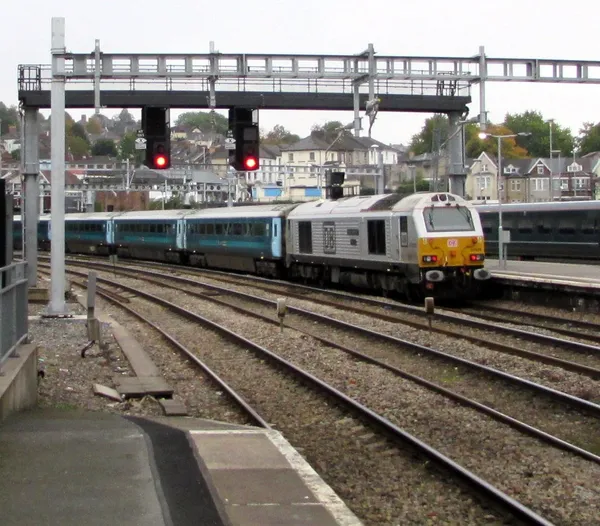
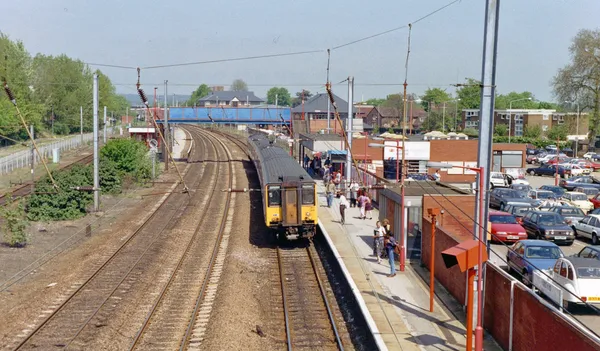
The first passenger train to use digital in-cab signalling on the East Coast Main Line has begun operating across a 15-mile section between Welwyn and Hitchin.
On Aug. 14, the Federal Railroad Administration announced $5.3 billion in National Railroad Partnership Program grants across 23 states — including roughly $2 billion made available after California HSR grants were cancelled.
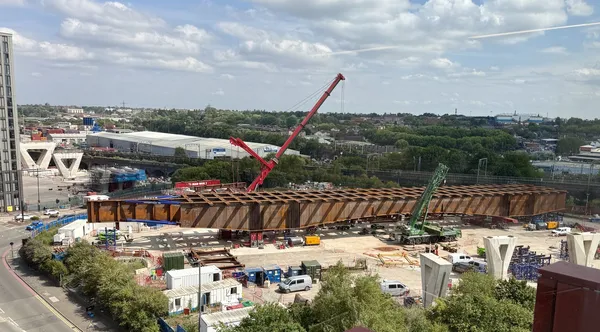
The first section of HS2’s complex Duddeston Junction Viaduct has been launched over Birmingham’s live railway network, beginning the final crossing of six railway tracks on the approach to Curzon Street Station.
Federal Railroad Administration announces $5.3 billion grant package targeting Amtrak fleet modernization and grade safety across 23 states.
A Southern passenger train derailed near Lewes on August 13, injuring 30 people and closing the East Coastway line while investigations point to heat-stressed clay embankments and pre-existing track defects as the cause.
Taiwan clears a 60.6-km high-speed rail extension to Yilan County, reducing Taipei-to-region travel time to just over 20 minutes while advancing the Executive Yuan's round-island connectivity strategy.
A devastating flood event in Japan on August 14 overwhelmed Chiba prefecture and stranded nearly 7,000 travelers at Tokyo's Narita airport during a major holiday week.
An inspector general review warns that the California High-Speed Rail Authority could run out of money by December 2027, facing a $9.5 billion funding gap over five years.
Portugal has begun 200 km/h dynamic testing on the Évora–Elvas line, its first railway engineered for high-speed — a key step toward a three-hour Lisbon–Madrid corridor.
Amtrak awards $242M contract to convert century-old movable lift span into fixed crossing
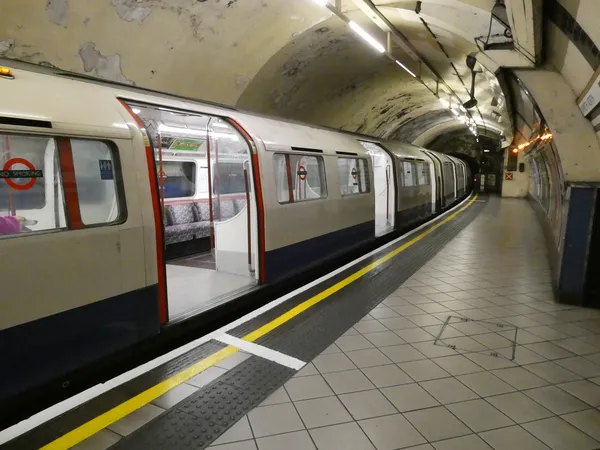
Transport for London taps AECOM with Arcadis support to assess infrastructure requirements for upgrading the Bakerloo Line's half-century-old rolling stock.
Trenitalia France has ordered 19 Hitachi ETR 1000 Frecciarossa trains for a 2029 Paris–London Channel Tunnel launch, with a new depot at Maisons-Alfort Pompadour.
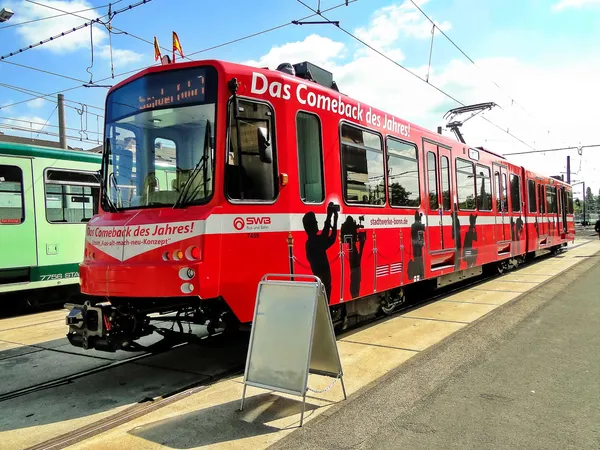
Bonn's SWB Bus und Bahn withdrew 60 of 75 Stadtbahn light rail vehicles after routine inspections discovered a premature material fatigue risk in axles of the fleet built between the 1970s and 1990s. Cologne's KVB lent 20 trams while engineers conduct ultrasonic testing, with the first vehicles not expected back until mid-August.
Four daily trains will reach Antwerp in 2 hours 41 minutes, eliminating the Brussels change on the outward journey, though the return still requires a transfer because Antwerp-Central lacks UK border facilities.
The Federal Railroad Administration proposes to repeal 1970s-era noise emission caps by recognizing aerodynamic drag, opening new compliance tracks for trains operating above 160 mph and potentially freeing $100 million in developer costs over three decades.
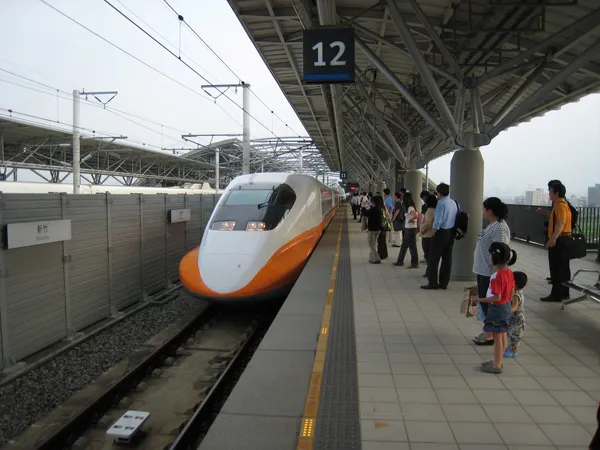
The first of 12 new N700ST trainsets for Taiwan High Speed Rail Corporation rolled out of Hitachi’s Kasado Works on July 30, 2026, with deliveries beginning in August and commercial service starting in 2027. The “platypus”-nosed trains mark a fleet renewal for the island’s high-speed line.
A €9.76 billion rail modernisation package runs through 2035, blending EU grants, fleet renewal, and battery-electric traction to fix decades of deferred maintenance.
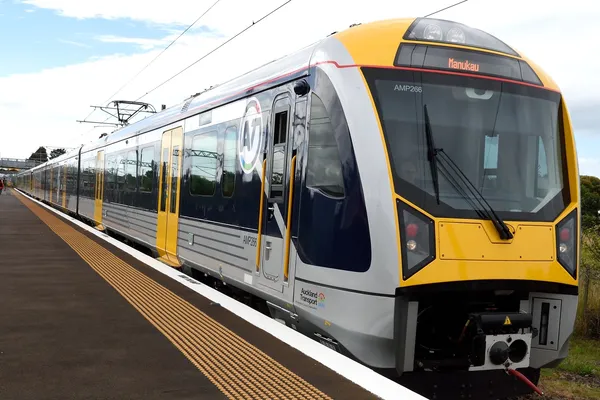
Two new stations, part of a $2.4 billion government investment, restore rail service to South Auckland for the first time since 1972.
Germany’s Bundestag passed a landmark Infrastructure Future Act redirecting €169 billion toward transport, establishing rail as the country's top priority for the first time while overhauling approval procedures.
On July 28, 2026, miners connected the Austrian and Italian sections of the Brenner Base Tunnel 1,400m below the Brenner Pass, achieving the simultaneous breakthrough of both 8.1m diameter main bores as the project reached 90% excavation and kept on track for a 2032 opening.
Federal officials committed $1.6 billion to 45 new Stadler hybrid locomotives and $357 million for a Montreal assembly plant, using the deal to restore passenger engine manufacturing in Canada after decades of reliance on foreign production.
The first tunnel boring machine is over halfway built, major construction is underway in West Baltimore, and design tweaks promise a simpler tunnel — but opening day remains 2036.
HS2's first cut-and-cover green tunnel at Copthall reused 1.2 million cubic metres of excavated earth from the nearby Northolt tunnel, eliminating 100,000 truck movements.
The African Development Bank approved a €205 million loan to Morocco on July 8, 2026, to finance the high-speed rail extension and conventional upgrades on the Kenitra-Marrakech corridor.
The U.S. Department of Transportation awarded nearly $1.74 billion in BUILD grants to 127 transportation projects across all 50 states, with roughly 77% of the funding directed toward road and bridge work.
Andy Burnham became the UK's sixth prime minister in a decade on July 20, 2026, immediately signaling plans to reinstate the northern leg of HS2, devolve infrastructure control, and borrow billions to invest in transport and energy networks.
The California High-Speed Rail Authority and High Desert Corridor Joint Powers Agency signed a memorandum of understanding on July 20, 2026, to coordinate environmental work, station integration, and design at Palmdale Station, while also expanding into joint procurement to reduce costs. The agreement supports nearly 90 miles of completed guideway across the SF-LA/Anaheim corridor, where 463 of 494 miles have already secured environmental clearance and construction activity is currently supporting approximately 19,200 jobs.
Italian high-speed rail operator Italo Holding signed a €3 billion contract with Siemens Mobility for 26 Velaro trains, with services planned for 2028 on Munich-Cologne and Munich-Berlin-Hamburg corridors.
A $16 billion rail tunnel under the Hudson River is finally close to boring — but only after a federal funding pause halted construction earlier this year, and only once 500 buried piles from a 19th-century pier are cleared out of the way.
Real construction is visibly underway on America's first true high-speed rail line, from Las Vegas to Southern California. A stalled federal loan just pushed its finish line to late 2029.