Cancelled UK train passengers can use another operator from 20 September
A new cross-operator scheme will let passengers affected by cancellations take participating services without paying again, subject to a two-hour travel window and a valid original ticket.
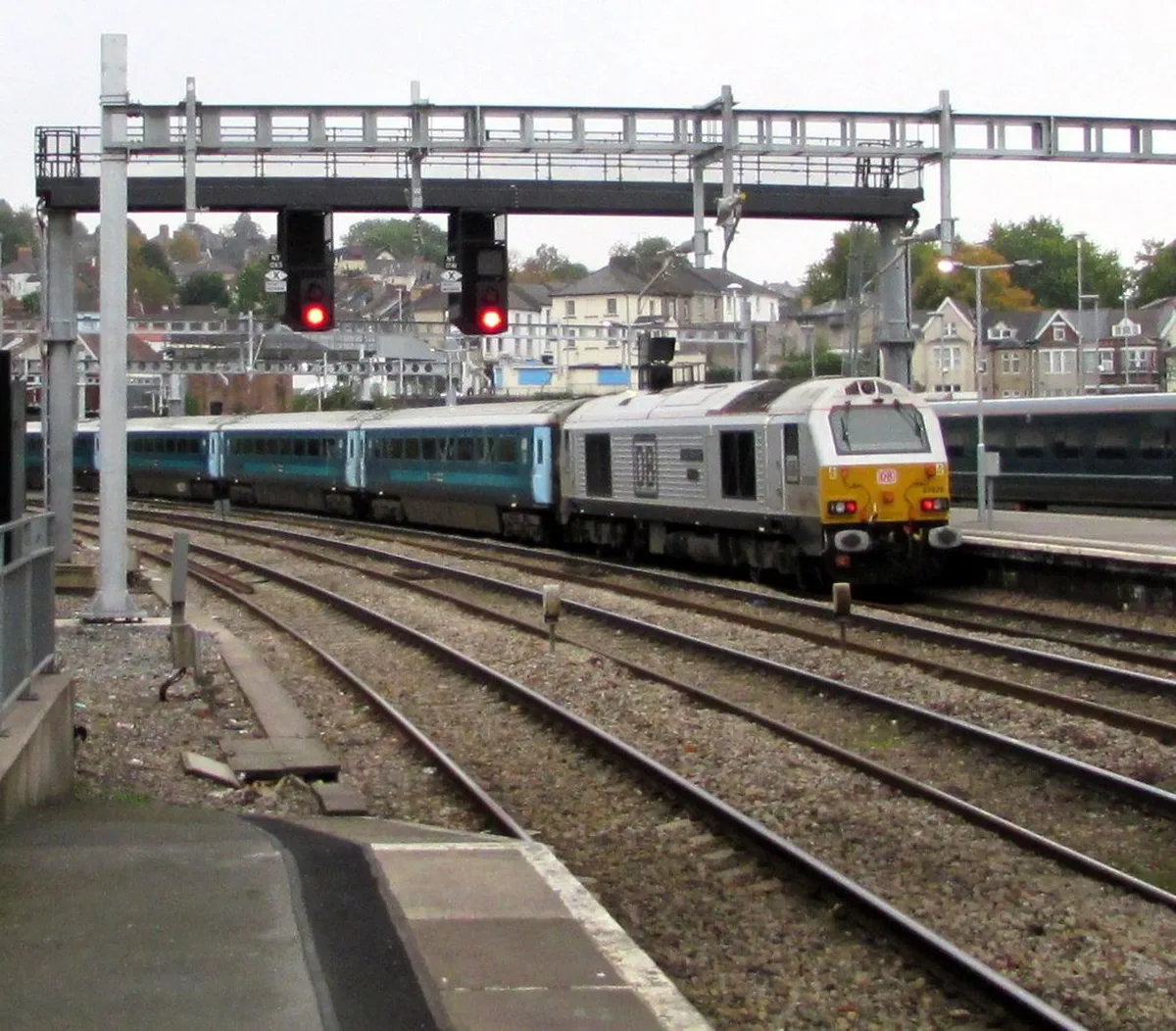

From 20 September 2026, passengers whose UK train is cancelled will be able to use another participating operator’s service without paying again. The Department for Transport’s new scheme expands cross-operator ticket acceptance to Avanti West Coast, Chiltern Railways, CrossCountry and Great Western Railway.
The arrangement is deliberately bounded rather than an open-ended invitation to take any train. The replacement service must depart within two hours before or after the cancelled train, and passengers must show the original ticket. That gives stranded travellers a practical alternative while keeping the scheme tied to the journey that was actually disrupted.
Passengers will be able to take a direct service or a reasonable alternative route, according to RailBusinessDaily’s account of the change. The important distinction is that the replacement train does not have to be operated by the company named on the original booking, provided the operator participates in the scheme and the journey falls within the permitted window.
The four additions matter because they cover some of the UK’s major intercity operators. A cancellation will no longer necessarily leave a passenger waiting for the same company’s next available train when a participating rival is already running a sensible route towards the same destination.
There is still a small amount of responsibility on the passenger: the original ticket needs to be retained and shown, and the alternative service must meet the timing rule. The scheme is therefore closer to a controlled acceptance agreement between operators than to a general guarantee that any cancelled ticket can be used on any train.
For passengers, the practical benefit is straightforward. A cancellation can turn a planned journey into a choice between waiting and paying again for a second ticket; from 20 September, a qualifying alternative service from one of the participating operators should remove that second cost, while preserving clear limits around which train can be used.