East Coast Main Line begins passenger operation with digital in-cab signalling
The first passenger train to use digital in-cab signalling on the East Coast Main Line has begun operating across a 15-mile section between Welwyn and Hitchin.
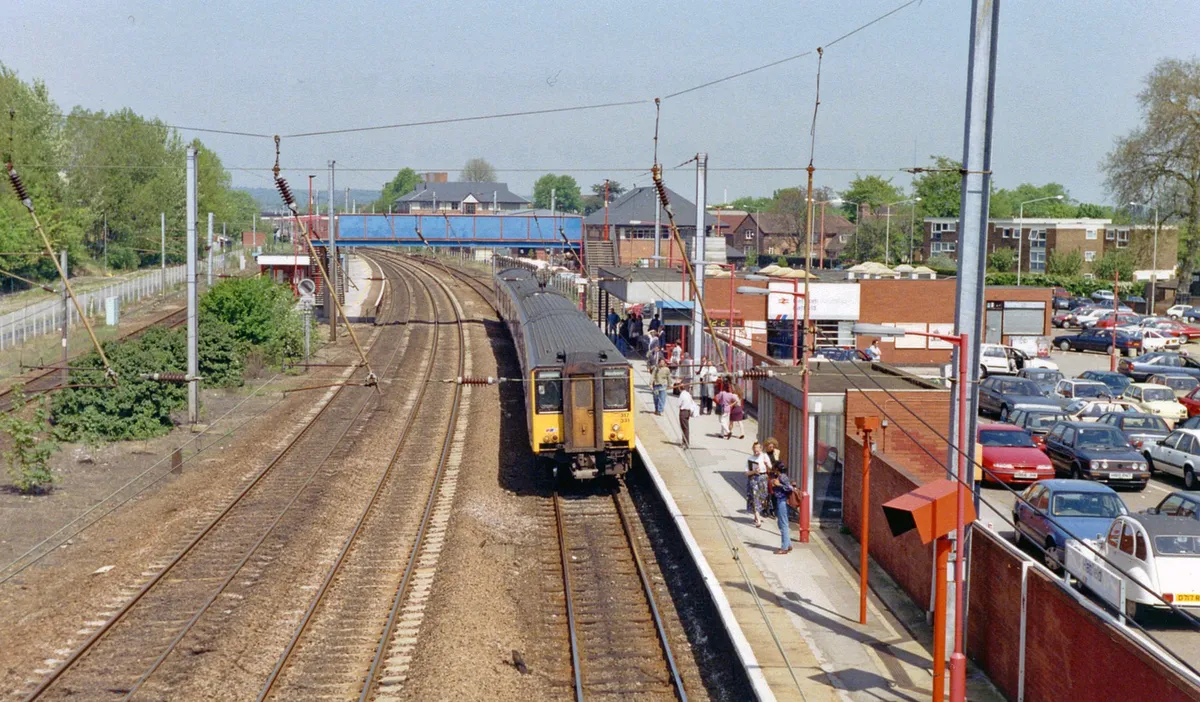

On 31 August 2026, the 08:05 Great Northern service to Moorgate became the first passenger train to use digital in-cab signalling on the East Coast Main Line. It is a modest-looking service departure carrying a significant change in how trains on one of Britain’s major routes receive the information that governs their movement.
The initial deployment covers a 15-mile section between Welwyn and Hitchin, and forms part of the £1.4 billion East Coast Digital Programme. That scale matters: this is not the whole route being converted in a single step, but the first passenger operation of a system intended to be extended across the railway.
The train’s departure from Welwyn Garden City marked the first time a passenger service on the route received its movement authority through ETCS. The Welwyn–Hitchin section is being operated as an overlay deployment, putting the digital signalling system into passenger service while the wider programme continues around it.
That makes the milestone operational rather than merely ceremonial. Digital signalling has now moved from programme plans and testing into the ordinary rhythm of a scheduled train: a Great Northern service leaving Welwyn Garden City, carrying passengers towards Moorgate, with its movement authority delivered through the cab.
The wider rollout is expected from 2027, so the 15-mile section is best understood as the beginning of a longer conversion rather than its conclusion. The important development is that the East Coast Main Line now has a live passenger operation on digital in-cab signalling; the next test is how steadily that initial section grows into the broader £1.4 billion programme.