European Sleeper restores a direct Brussels–Milan overnight train
European Sleeper has launched a three-times-weekly overnight connection linking Brussels and Milan via Germany and Switzerland.
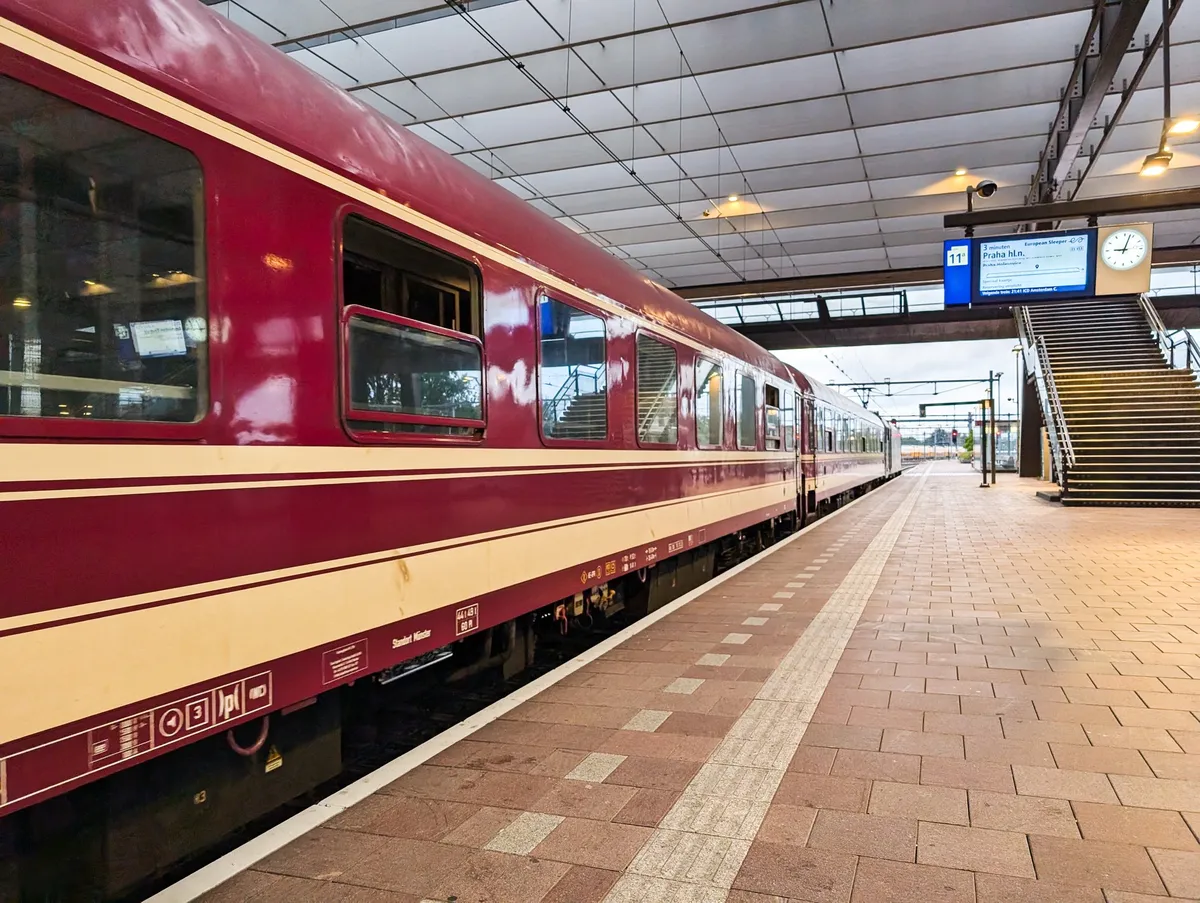

A direct overnight train between Brussels and Milan is running again, restoring a cross-border night-rail link between Belgium and northern Italy that passes through Germany and Switzerland. The inaugural service departed Milano Porta Garibaldi on September 9, 2026, beginning a route that makes the journey between the two cities without a daytime connection or a flight. The service runs three times weekly in both directions, according to Railway Gazette International.
The route is built around a long run through central Europe rather than a simple Brussels–Milan end-to-end link. Its stops include Aachen and Cologne in Germany, Aarau, Bellinzona and Lugano in Switzerland, and Como in northern Italy, giving the train a useful series of intermediate destinations as well as its two termini. Passengers can board in one country, sleep through the night, and arrive in another without changing trains along the way.
European Sleeper describes the service as a direct Brussels-and-Cologne-to-Milan night-train connection, with access to Zürich, Lugano, Lake Como and Milan. Its route information confirms the connection began on September 9, 2026, matching the date of the inaugural run and setting out the destinations the service is intended to connect.
That combination of directness and geography is the important part of the launch. Brussels, Cologne, Zürich, Lugano, Lake Como and Milan are not being presented as separate rail journeys stitched together by a booking search; they are stops on one overnight service. The train therefore restores a practical cross-border link across a part of Europe where the night journey itself can cover several national rail networks.
The network will also extend further north later in the year. European Sleeper says Antwerp, Breda and Eindhoven will be added from December 13, 2026, bringing more departure points in Belgium and the Netherlands into the same overnight connection. For passengers starting in those cities, the Milan route will become a continuation of an existing rail journey rather than a connection requiring a separate trip to Brussels or Cologne.
Night trains work best when they are treated as infrastructure rather than novelty: a way to turn a long international journey into the hours when most people would otherwise be asleep. European Sleeper’s Brussels–Milan service does exactly that across Belgium, Germany, Switzerland and northern Italy, with a timetable designed around three departures each week in both directions and a route that reaches the Alps, Lake Como and Milan by morning.