West Highland Line to close for nine days in November for £13m of upgrades
Network Rail Scotland will shut the line between Crianlarich and Mallaig from 9 to 17 November 2026 to renew more than 4km of track, refurbish Fassfern Bridge and clear vegetation along one of Britain's most scenic railways.
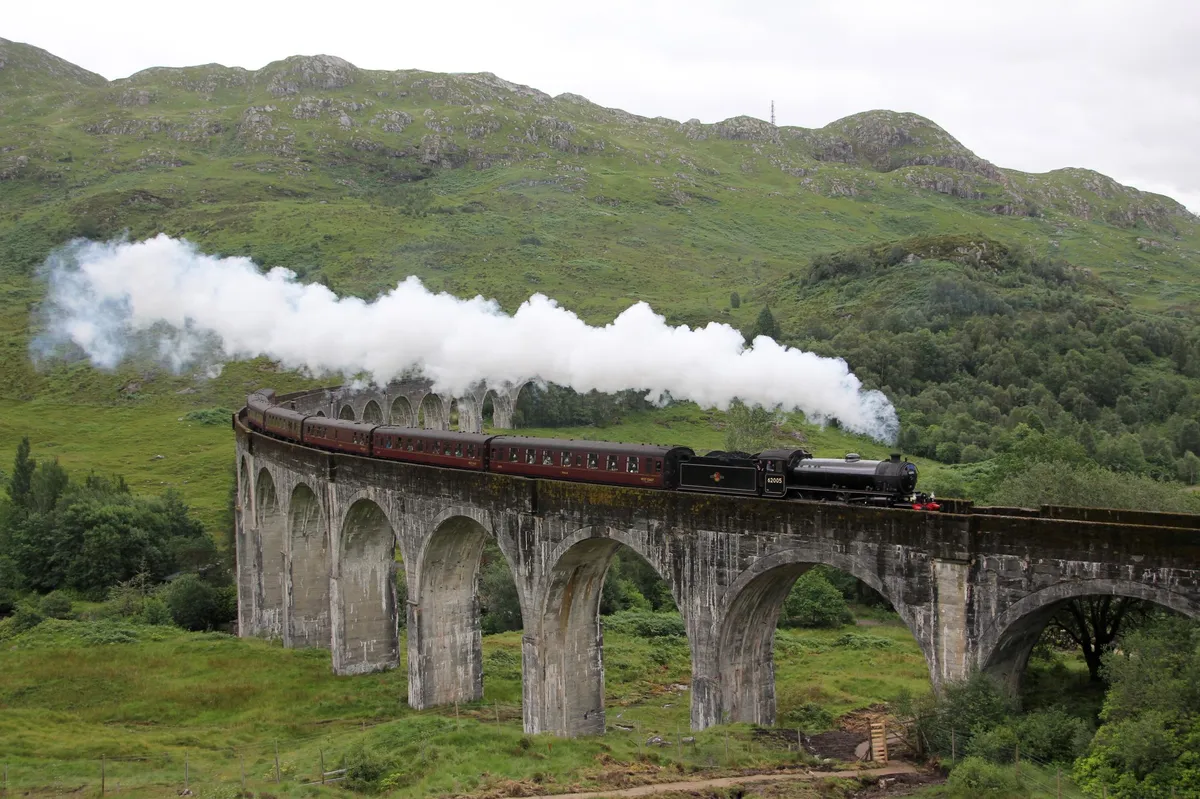
For nine days in November, one of the most photographed railways in the world will not be running trains. Network Rail Scotland has confirmed that the West Highland Line will close between Crianlarich and Fort William/Mallaig from 9 to 17 November 2026, with buses replacing trains for the duration, while engineers carry out £13m of work along the 70-plus miles between Helensburgh Upper and Mallaig. The announcement, made on 4 September, ties together track renewal, drainage, bridge refurbishment and vegetation clearance into a single nine-day window — a concentrated shutdown designed to compress months of disruptive work into something the line’s passengers and the railway’s accountants can both live with.
The single biggest item is more than 4km of worn rail being replaced. According to Network Rail’s press release, the renewal sites are spread across the full length of the route: at Arisaig, at Corrour, in the Loch nan Uamh and Beasdale tunnels, at Arrochar & Tarbet, and on Gleann Mama Viaduct. That is a long, thin list of locations for what is, by mainline standards, a modest length of rail, but the geography is the point. Each of those sites sits in cuttings or on embankments where the only realistic way to get materials in and old materials out is by rail itself, which is why a continuous nine-day closure is more efficient than a series of weekend possessions would have been.
Alongside the track, engineers will improve drainage and culverts between Glen Douglas and Arrochar & Tarbet — work that sounds mundane but tends to decide whether a Highland line stays open in a wet winter. Two bridge jobs are bundled into the same closure: a refurbishment of Fassfern Bridge near Spean Bridge, and the removal of a redundant bridge near Loch Eil. The vegetation clearance between Fort William and Arisaig is, in Network Rail’s words, intended to keep the route “resilient” against the kind of leaf-fall and tree-fall events that have closed Highland lines repeatedly in recent autumns.
The BBC’s coverage of the announcement makes the same points independently, noting that buses will replace trains between Crianlarich and Fort William/Mallaig while the work goes on, and quoting Network Rail capital delivery director Gerry McQuade saying the investment is “about making sure the route continues to provide a dependable service.” That phrase — “dependable service” — is doing real work on a line whose timetables are routinely revised around weather and engineering work, and whose most famous structure, the Glenfinnan Viaduct, now carries more film tourists than freight passengers most weeks. ScotRail Service Delivery Director Mark Ilderton added that the company would keep passengers moving with replacement buses and that the closure had been timed for a quieter part of the autumn calendar.
The trade press read it the same way. RailBusinessDaily’s roundup of the announcement on 7 September framed the package as track renewal, drainage improvements and maintenance of railway structures at locations between Helensburgh, Fort William and Mallaig — broadly the same scope the official press release set out, with no disagreement on the dates, the £13m figure, or the bus-replacement plan. For a story that has to align three sets of reporting, the level of agreement is unusually clean.
What the closure is really trading is nine days of buses for several months of weekend closures and slow orders that would otherwise be needed to do the same work in pieces. That is the standard Network Rail argument for a blockade of this kind, and on a line as lightly used and geographically constrained as the West Highland, it is harder than usual to argue with. The Arisaig-to-Mallaig end in particular, which runs single-track through cuttings where the sea is on one side and a hillside on the other, is not the sort of railway you do possessions on in 10-metre stitches. A clean nine-day shutdown, with the buses pre-timetabled and the work sites pre-stocked, is the cheapest way to get four kilometres of new rail, a refurbished bridge and a redundant span removed before the first proper snow of the winter.