Vintage computer collecting surges as enthusiasts push back against AI-era technology
A growing community of collectors is restoring classic machines from the 1970s-1990s as a deliberate counter-response to modern computing's locked-down, AI-driven direction.
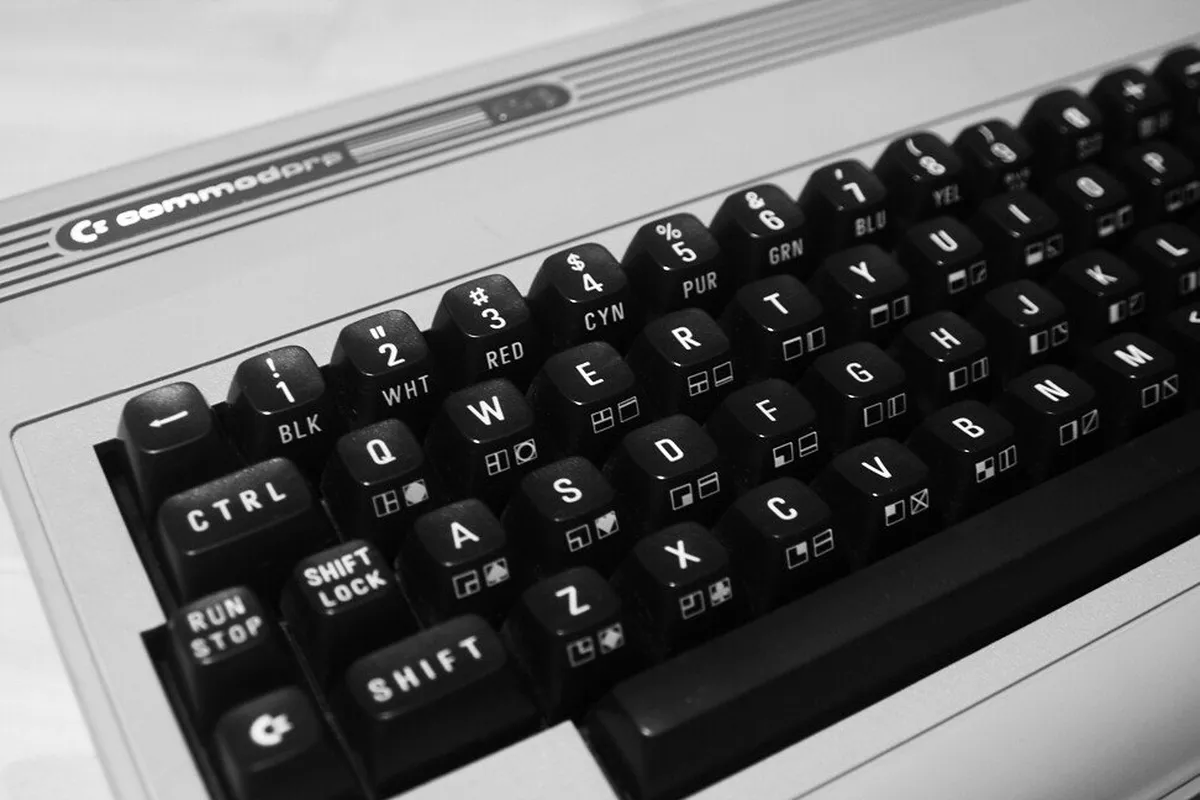
In early August 2026, over 3,500 people gathered in Mountain View for the Vintage Computer Festival — a turnout that would have been remarkable even without the context. The event, which celebrated Apple’s 50th anniversary with a panel featuring co-founders Steve Wozniak and Ronald Wayne, drew enthusiasts from across the country to see machines that most of the tech industry had long since abandoned. Among the exhibits was software engineer Josh Dersch’s restored Xerox Alto, a 1970s workstation that helped define the graphical interface before most personal computers existed.
The festival is only the most visible sign of a broader shift. Vintage computer collecting is growing as a deliberate reaction to AI-dominated modern technology, with enthusiasts seeking out hardware from an era when computers were fully understandable, repairable, and free from remote management. Where contemporary devices arrive as sealed units running software controlled by distant servers, a 1980s microcomputer offers something increasingly rare: complete local control over a machine whose every function is inspectable and modifiable by its owner.
This isn’t nostalgia in the usual sense. The collectors driving this movement aren’t primarily interested in recreating childhood experiences. They’re drawn to what retrocomputing represents structurally — a computing environment where the boundary between user and administrator, between owner and tenant of the hardware, simply doesn’t exist. The machines themselves have become scarce enough that economics now reflects this demand: rare systems like the Apple-1, of which only a few dozen survive in working condition, fetch hundreds of thousands of dollars at auction.
The Vintage Computer Federation, which organizes the Mountain View festival, has helped launch similar events in Argentina, Germany, and Switzerland — suggesting the phenomenon isn’t geographically specific. What unites these communities is a shared response to a particular moment in technology: as AI systems become more capable and more opaque, as smartphones and laptops increasingly function as terminals for remote services rather than autonomous computers, the appeal of hardware you can fully comprehend and control grows correspondingly.
There’s an irony here that the collectors themselves would likely acknowledge. The Xerox Alto that Dersch restored was, in its day, a research machine meant to demonstrate what computing could become — and what it became, in large part through the work of people like Wozniak who appeared on that panel, is the world these enthusiasts are now trying to step partially outside of. The graphical interface and networking capabilities pioneered on machines like the Alto eventually enabled the cloud-centric, always-connected computing environment that makes vintage hardware attractive precisely for being none of those things. The festival celebrates a lineage while implicitly rejecting where that lineage has led.
Whether this constitutes a meaningful alternative or merely a hobbyist’s escape is a question the movement will have to answer. For now, the growth is real enough: three and a half thousand people in Mountain View, satellite events on three continents, and a market where forty-year-old computers trade at prices that would have purchased them new by the hundred. Something is being expressed here that contemporary technology isn’t providing — a desire for computing as something you can hold in your hands and fully account for, rather than something that arrives pre-configured and updates itself according to priorities you didn’t set.