Playdate certificate
Playdate certificate
Playdate certificate
Over 30,000 attendees filled the Oregon Convention Center for the Portland Retro Gaming Expo, where Atari launched its 50th anniversary celebration for the 2600 with new homebrew games and appearances by its original creators.
Atari announced a modernized recreation of its 1983 8-bit home computer, featuring a mechanical keyboard, 25 built-in games, and HDMI output, set to begin shipping in April 2027.
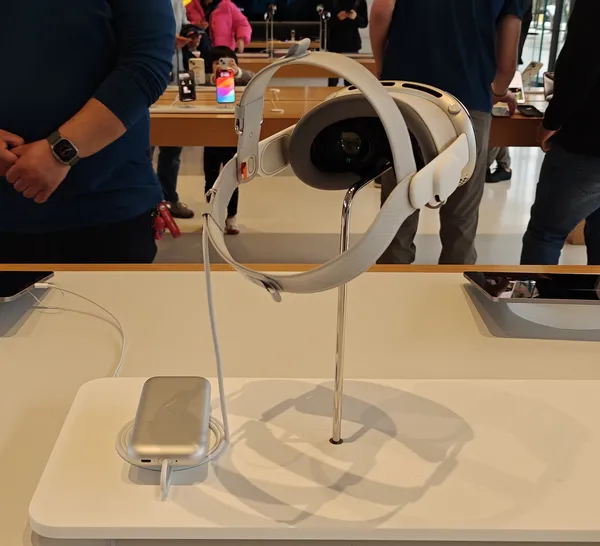
The Computer History Museum's 'Extended Reality: Visions of the Future' opens October 1, 2026 with more than 100 headsets, smart glasses, and wearables spanning from Sutherland to Vision Pro.
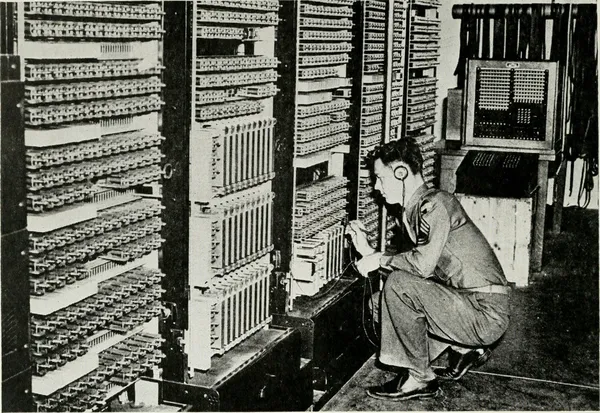
A homebuilt 16-bit relay computer entered Hackaday’s 2026 Retrocomputing Challenge with a 19-command instruction set, an eight-minute calculation of three digits of pi, and a 32×32 LED-matrix display.
Retro Remake has opened orders for Batch 5 of its SuperStation One FPGA console, with units ready for dispatch and the black color variant being discontinued.
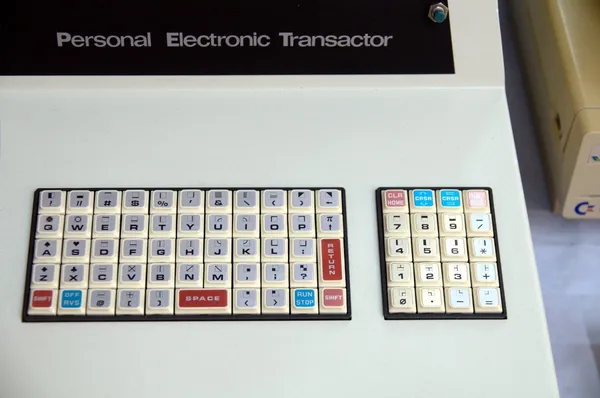
Olimex has released the Neo6502kbd, an open-source retro computer built directly into a keyboard, featuring a real 6502 processor.
The new Cynefin Digidol project, led by Dr Megan Venn-Wycherley and delivered by Technocamps in Welsh and English, draws on the university's History of Computing Collection from September to December 2026.
The 21st Vintage Computer Festival Midwest wrapped up a free weekend of exhibits, vendors, and classic systems in Schaumburg, Illinois.
The Commodore C64 Ultimate has hit 30,000 unit sales, boosted by a Cyberpunk 2077-themed Commodore 77 variant announced at Gamescom.
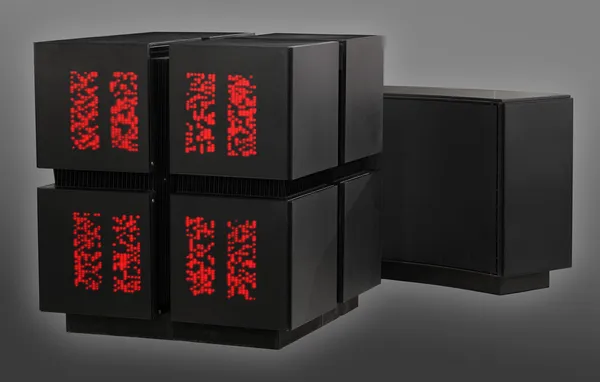
The National Communication Museum in Melbourne will debut a new exhibition in September 2026 showcasing the history of personal computing, anchored by a rare, room-sized 1980s supercomputer.
The White House website launched five retro-style browser games promoting Trump administration policies — a Tetris clone called Build the Wall, a Flappy Bird knockoff featuring a bald eagle, and three others, all announced with social media posts styled after console launch reveals.
Official licensing brings Retro Games' THEA1200 into the sanctioned Amiga ecosystem ahead of its December launch.
A two-month-long contest from Hackaday and DigiKey divides retro hardware and software projects into four distinct tracks, using deliberately loose rules to spark community debate about what actually qualifies as vintage.
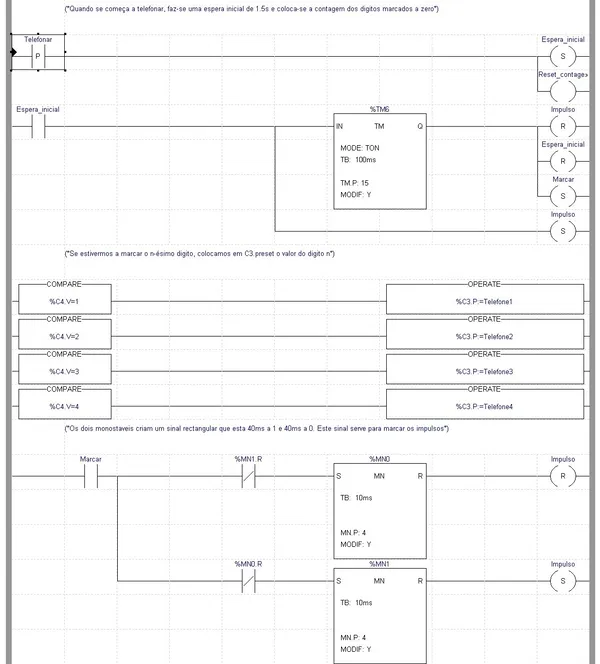
A look at the Motorola MC14500B, a 1-bit CPU highlighted at Hackaday Europe 2026, which found its niche replacing costly relay racks in early industrial automation.
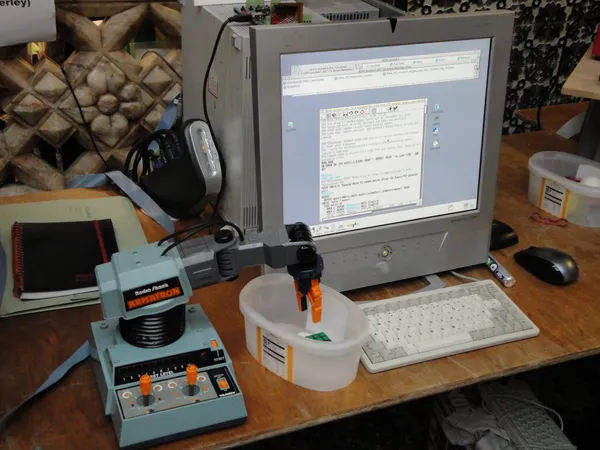
More than 3,500 people attended the 2026 Vintage Computer Festival, a record turnout that featured a panel with Apple's original co-founders amid a broader resurgence of interest in hands-on, tangible computing history.
The 2026 Vintage Computer Festival West drew thousands of enthusiasts to the Computer History Museum for a weekend of hands-on retro computing, featuring 73 exhibits and confirmed as 'a great success' by organizers.
A new $169 flash cartridge upgrades the 64's processing foundation and adds native 64DD support with in-game disk swapping.
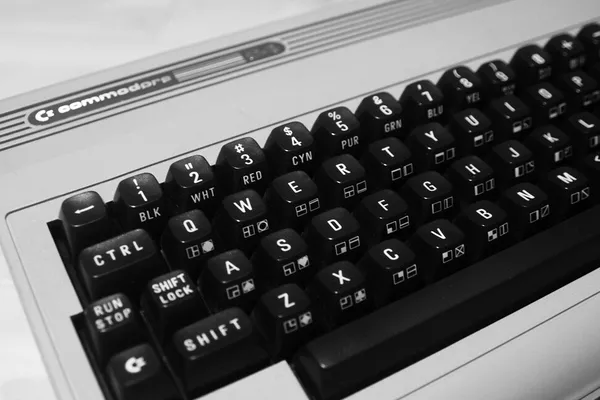
A growing community of collectors is restoring classic machines from the 1970s-1990s as a deliberate counter-response to modern computing's locked-down, AI-driven direction.
Debt collection agencies have lost billions because they cannot easily buy or sell debt. The recent sale of Fintech loans has exposed how this market works, where 60% of a $14,000 medical loan sells for less than $4,000 when it reaches the secondary market. That steep discount is what gives lenders an incentive to write off bad debt quickly.
A new Korean competition requires developers to build a complete game that fits on a 1.44MB floppy disk, reviving classic code golf constraints with a modern prize pool and a hard October 2026 deadline.
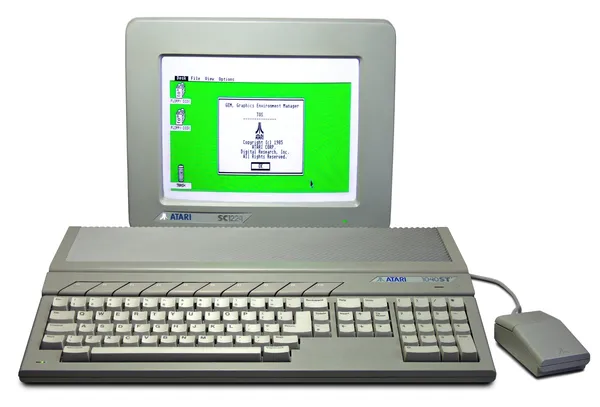
Jonas Eschenburg engineers a codebook-based FMV codec enabling the vintage Atari ST to decompress and play Command & Conquer cutscenes in real-time by splitting frames into addressable blocks, leveraging an 8MHz Motorola 68000 without exceeding 16-colour planar graphics limits.
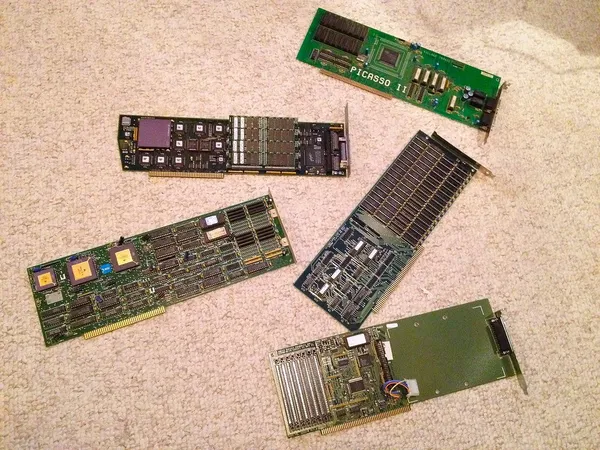
Preserving 1980s-era hardware demands component-level restorations where custom silicon deficits and degraded components force builders to bypass failed pathways entirely through modern FPGA emulation and forensic electronics analysis.
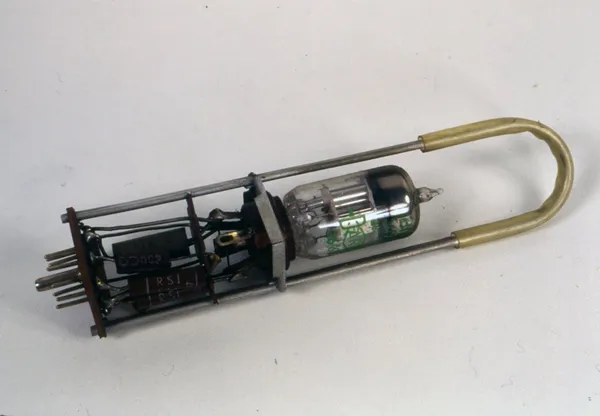
Ken Shirriff reverse-engineered the TR-3 trigger module from the 1948 IBM 604 Electronic Calculator and successfully demonstrated the flip-flop circuit toggling between states with glowing neon indicators.
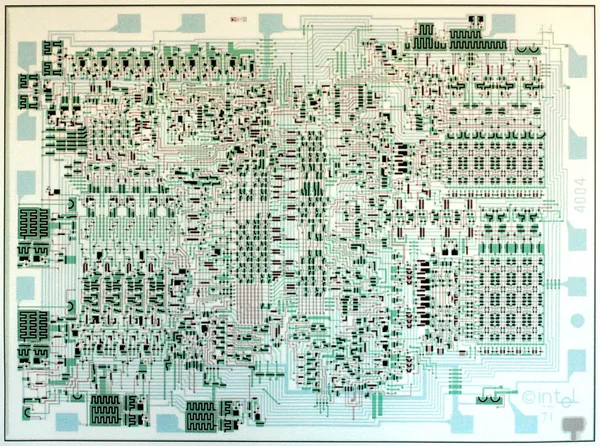
A modern language model successfully runs text generation on 1970s hardware by using ternary quantization and Mamba architecture to bypass memory constraints.
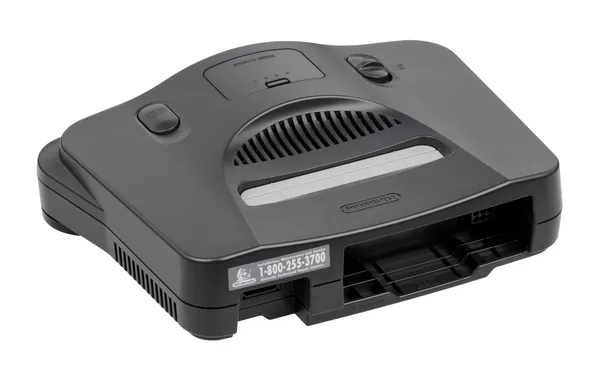
The ModRetro M64 FPGA console launches July 28, 2026, at $229 with 4K output and a MiSTer-derived core, aiming to play original Nintendo 64 cartridges without emulation compromises.
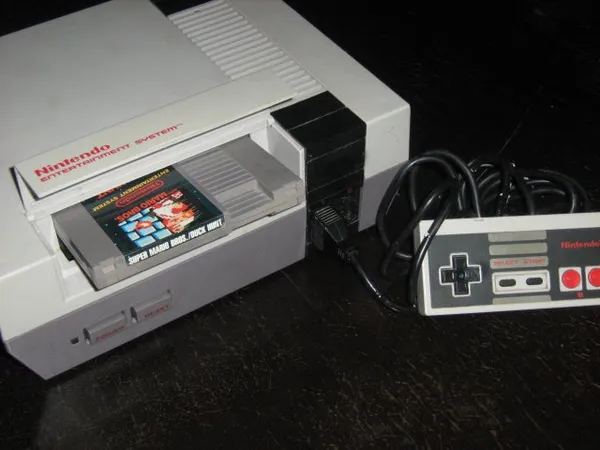
A Wisconsin retro store discovery uncovered 97 genuine, previously undocumented NES Super Mario Bros. / Duck Hunt cartridges, including five that received PSA 10 grades.
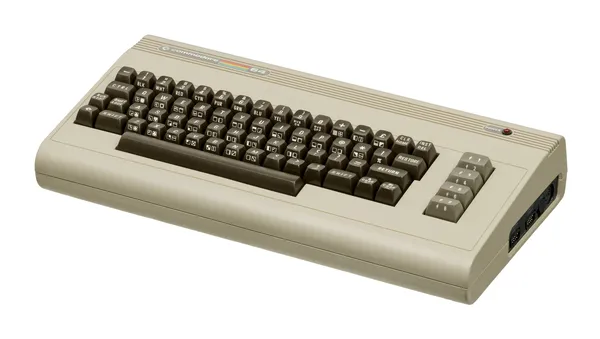
Commodore is using the first anniversary of its reboot to launch Made For U(ltimate), an initiative to fund and label new games built specifically for the FPGA-based C64 Ultimate's modern capabilities.
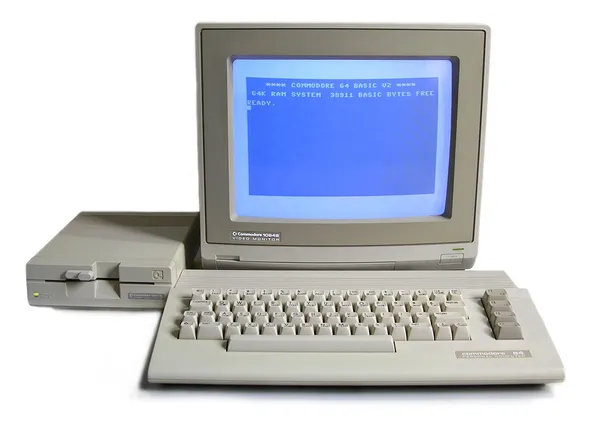
A new C64C hardware run is officially entering production using originally recovered 1986 injection molds, bringing decades-old manufacturing tolerances back to a modern factory floor.
The annual Archive of Retro Computing exhibition opens in August 2026 with more than 40 years of hardware history on display, from the Fairchild Channel F to the PlayStation and Xbox, ahead of a planned permanent launch.
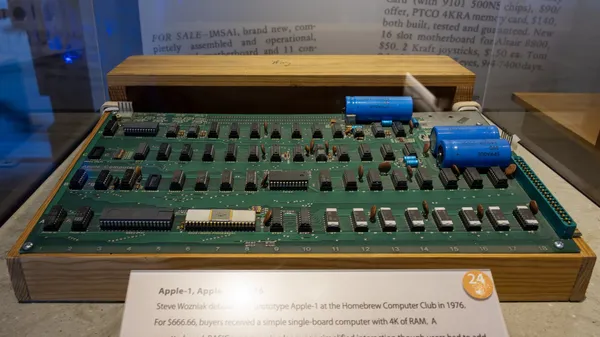
Hands-on demos of an Apple I, Atari systems, and Commodore 64s are coming to the Computer History Museum for the 2026 edition of the Vintage Computer Festival West.
A two-day event at the Computer History Museum merges hands-on hardware demonstrations with seminars and historical programming, treating preserved machines as active workstations rather than static artifacts.
The University of Wisconsin-Milwaukee's Retrolab, one of only four retro computer labs in the US and the only one in a history department, may not survive its founder's retirement.
A maker responds to the DRAM price surge by building a functional USB drive from Soviet-era salvage, wiring 64 bits of hand-threaded magnetic core memory into an acrylic enclosure with an ESP32 interface and silicone oil immersion.
A $14.2 million donation from Mad Scientists Anonymous will fund renovation of a computer graphics gallery within the Revolution exhibit and open John W. Walker's archival papers via the OpenCHM portal.
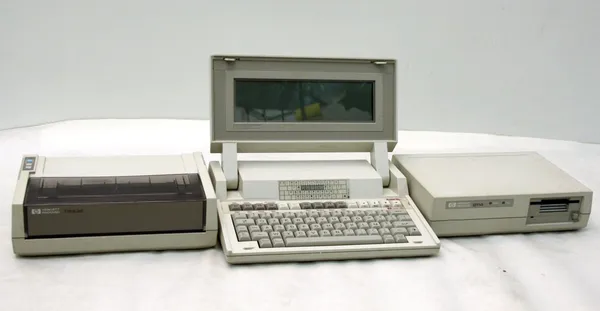
Kingston University is opening a free 'Archive of Retro Computing' exhibition running August 5–11 with more than 60 machine from the 1970s onward, and immediately following it will open a permanent retro computing showcase in room SB3033 of the Sopwith Building on its Penrhyn Road campus.
After more than two decades of patent encumbrance, the final MPEG-4 Part 2 patent — held by Siemens AG in Brazil — expired on July 19, 2026, making the codec that powered DivX and Xvid free to use anywhere in the world.
Emulators like Charon-PDP now let enterprises run RSX-11, RSTS, and RT-11 workloads from decommissioned PDP-11 hardware on modern cloud infrastructure.
Volunteers at the Rhode Island Computer Museum are restoring a PDP-11/40, coaxing decades-old software back to life one boot medium at a time.